
How to Cleanse and Protect Your Aura: A Beginner's Guide
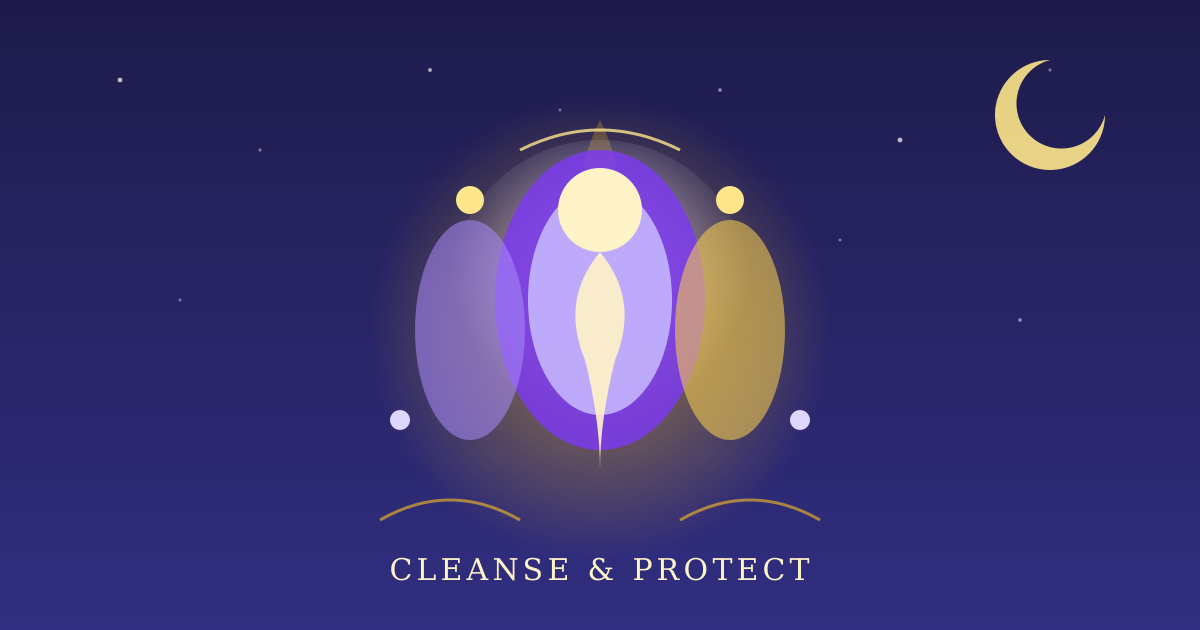
Some days you walk into a room feeling fine and walk out feeling strangely heavy — tired, irritable, or foggy in a way that does not quite belong to you. Aura tradition has a name for that feeling: your energy field has picked up something it does not need. Whether you read auras literally or simply enjoy them as a colorful language for mood and boundaries, the practices below are the classic answer — a gentle reset for your space, your body, and your attention. Read everything here as spiritual exploration and entertainment, a prompt for self-reflection rather than a promise of any outcome.
Learning how to cleanse your aura is less about complicated ritual and more about intention plus a simple action. Pick one technique, do it slowly, and notice how you feel afterward. Over time, most practitioners settle on a short daily habit and one deeper weekly reset. This guide covers both, plus the protection habits that keep the heaviness from building up again so quickly.
What Does It Mean to Cleanse Your Aura?
In aura tradition, your aura is the luminous field said to surround your body, reflecting your emotional and energetic state. Cleansing it means clearing away energy described as heavy, stagnant, or borrowed from other people and stressful situations — the way you might air out a room that has been closed up too long, or shake out a rug after a busy week. Nothing about the practice is proven by science, and no technique here can diagnose or treat a health condition. What it can do, in practical terms, is give you a pause: a few quiet minutes to breathe, to notice what you are carrying, and to decide what to put down.
That pause is where most of the benefit lives. A salt bath forces you to slow down. A visualization sweep trains your attention. A walk in nature gets you out of a stuffy room and into fresh air. Even if you treat the aura itself as metaphor, the ritual still works as a boundary: a clear line between a draining day and a calmer evening. The tradition simply gives that line a name and a set of tools.
Signs Your Aura May Feel Heavy
Aura readers traditionally point to a cluster of everyday signals. You might feel drained after social events even when you enjoyed them, carry tension in your shoulders or jaw for no clear reason, feel irritable over small things, or notice your thoughts looping on one conversation or worry. Some people describe it as feeling foggy, restless, or unusually sensitive to noise and crowds, or as sensing that their own mood has been replaced by someone else's — calm before a tense meeting, anxious after it.
None of these signs proves anything about an energy field, and they overlap heavily with ordinary tiredness, stress, dehydration, and poor sleep. That is worth saying plainly: before reaching for a ritual, check the basics. Have you slept, eaten, drunk water, and stepped outside today? If those are covered and the heaviness lingers, a cleansing ritual is a pleasant next step — and if low mood, exhaustion, or anxiety persist for weeks, a qualified professional is the right call, not a longer ritual.
Before You Begin: Grounding, Intention, and Safety
Almost every aura practice starts the same way: ground first. Stand or sit with both feet flat, take five slow breaths, and feel the weight of your body in the chair or on the floor. Some people imagine roots growing from their feet into the earth; others simply notice the contact points — feet, seat, hands. Either version works, because the point is the same: arrive in your body before you try to clear anything from it.
Next, set one simple intention in plain words, spoken silently or aloud: what are you clearing, and what do you want instead? A good example is, "I am letting go of today's tension and making room for calm." Keep it short and kind. Avoid intentions that target another person or demand a specific outcome — tradition treats cleansing as clearing your own field, not changing someone else's.
Finally, a word on safety. If you use smoke, incense, or candles, never leave them unattended, keep them away from curtains and pets, and open a window. Many households skip smoke entirely for good reasons — asthma, allergies, children, pets, or rental rules — and the smoke-free methods below are treated as equally valid. Salt baths are not for everyone either: skip them if you have open wounds, skin conditions, or a health reason to avoid soaking, and never add essential oils directly to bathwater without diluting them properly.
7 Aura Cleansing Techniques for Beginners
1. The salt bath or shower rinse. The classic. Add a cup of sea salt or Epsom salt to a warm bath and soak for 15 to 20 minutes, or stand under a warm shower and imagine the water washing heaviness down the drain. Some people add a handful of salt to a bowl of warm water and pour it over their shoulders at the end of a normal shower. Rinse off with plain water afterward, dry off slowly, and drink a glass of water.
2. The visualization sweep. The easiest technique, and the one to learn first. Close your eyes and imagine a soft, bright light above your head — gold, white, or violet, whichever feels clean to you. Picture it flowing down over your head, shoulders, arms, torso, and legs, like water over glass, carrying anything dull or heavy away with it. Sweep your hands slowly down your arms and around your body as you go, as if brushing off dust. Two minutes is enough.
3. Sound cleansing. Ring a small bell, strike a singing bowl, or clap slowly around your body, from head to feet, listening for the sound to fade fully between strikes. Tradition holds that clear, sustained sound breaks up stagnant energy; in practical terms, it is a focused listening exercise that pulls your attention out of looping thoughts and back into the present moment. A favorite song played loudly and sung along to counts too, if that is what you actually enjoy.
4. Smoke and scent, or their smoke-free cousins. Burning sage, palo santo, or incense is the best-known cleansing method, and it comes with real caveats: fire risk, smoke sensitivity, and cultural respect for plants sacred to Indigenous traditions, which many practitioners now choose to leave alone. Smoke-free alternatives include opening windows and airing a room, spritzing a room spray, simmering citrus peels and herbs on the stove, or simply tidying and wiping surfaces. A clean, aired room feels different, and that difference is the point.
5. Nature grounding. Walk barefoot on grass or soil if you can, sit with your back against a tree, or wade in a stream or the sea. Even ten minutes on a park bench, phone away, counts in this tradition as grounding: the earth is treated as the great neutralizer, drawing off excess charge. Again, the practical benefits are real regardless of belief — daylight, movement, and green space are among the most reliable mood lifters there are.
6. The cord-cutting visualization. If one relationship or conversation keeps replaying in your mind, tradition offers a gentle release: picture a soft cord of light between you and the situation, thank it for whatever it taught you, and imagine it dissolving or being cut with golden scissors, with both ends sealing cleanly. This is not about cutting someone out of your life or blaming them — it is about releasing your own grip on a looping thought. Pair it with a real-world step, like muting a thread or writing down what you actually want to say, and it works twice as well.
7. Crystal and object cleansing, for your tools. If you keep crystals, oracle cards, or jewelry you associate with your energy, tradition suggests cleansing them too: running water for hard stones, moonlight overnight on a windowsill, or a few minutes of sound. Check first whether your stone is water-safe — selenite, malachite, and many soft stones are not — and keep it simple. A wiped-down, neatly stored deck feels better to use than a dusty one, whatever you believe about its energy.
A Simple 15-Minute Aura Cleansing Ritual
Put the techniques together and you have a complete beginner ritual. Start by tidying one small area and opening a window. Run a warm shower or bath, and spend the first two minutes just breathing and grounding. Do the visualization sweep as the water runs, imagining heaviness washing away. Step out, dry off slowly, and ring a bell or clap softly around your body once, head to feet. Sit for two minutes in silence and set your intention for the evening — one sentence, kindly worded. Finish with a glass of water and something pleasant: a walk, a chapter of a book, or a few minutes outside. The whole thing takes about fifteen minutes, needs no special tools, and leaves most people feeling noticeably lighter, if only because they finally stopped rushing.
Afterward, notice what changed and what did not. Aura journals are popular for exactly this reason: a few lines about how you felt before and after, what you tried, and what seemed to help. Over a month, patterns appear — maybe sound works better for you than baths, or maybe Sunday evenings are when you most need the reset. Let the practice fit your life, not the other way around.
How to Protect Your Aura Every Day
Cleansing clears heaviness; protection slows it from returning. The most common daily practice is the morning shield visualization: before leaving the house, imagine a soft bubble or cloak of light around you — close enough to feel like your own space, permeable enough to let kindness in and out. Some people picture gold for confidence, blue for calm, or white for clarity. Hold it for thirty seconds while you breathe. It sounds small, and it is — but as a daily habit it functions as a reminder to guard your attention, which is the real protection.
Practical boundaries do the heavy lifting. Leave draining conversations when you can, rather than enduring them out of politeness. Keep one phone-free hour in your day. Protect your sleep the way you would protect anything valuable, because an exhausted field — metaphorical or not — absorbs everything. At home, a weekly tidy, fresh air, and a pleasant scent make your space feel like yours again, which is the domestic version of the same shield.
Finally, protect your aura at night. Tradition suggests a short evening release: shake out your hands, change out of the day's clothes, and name one thing you are putting down before bed. Write tomorrow's worries on paper if they are circling, and leave the list outside the bedroom. Sleep is the deepest cleanse most people have, and a calm wind-down protects it better than any crystal on the nightstand.
Mistakes to Avoid
The most common mistake is cleansing constantly and never addressing the cause — clearing your energy every night while staying in the same draining routine every day. Ritual works best alongside real changes: a boundary set, a conversation had, a schedule lightened. Another mistake is treating cleansing as a test or a grade: there is no way to fail a visualization sweep, and a ritual that leaves you anxious about doing it perfectly has missed its purpose. Keep it gentle, keep it short, and skip any practice that feels bad, frightening, or pressured. And never use aura work to delay care you need: persistent exhaustion, low mood, or physical symptoms deserve professional attention, and no amount of salt or sage replaces it.
How Often Should You Cleanse?
Weekly is the most common rhythm in aura tradition, with extra sessions after draining events — a funeral, a difficult conversation, a crowded trip, or a move. A short daily habit, like the morning shield or a two-minute sweep in the shower, is usually recommended over occasional marathon rituals. If you find yourself cleansing several times a day and still feeling heavy, that is useful information, not a failure: it usually means something practical needs attention — rest, a boundary, a conversation, or professional support. Let the ritual point you toward the real change, then make it.
Your aura, in the end, is a story you tell about your inner weather — and stories are tools. Use this one kindly: clear what you can, protect what matters, rest when you need to, and let the colors shift as your life does. A clean aura is not a permanent achievement. It is a Tuesday evening, a warm shower, a deep breath, and the quiet decision to begin again a little lighter.
Frequently asked questions
How often should I cleanse my aura?
There is no fixed rule in aura tradition. Many practitioners cleanse weekly, after draining social events, or whenever they notice they feel heavy, irritable, or unlike themselves. A short daily habit, like a grounding breath or a visualization sweep, is often recommended over occasional long rituals.
Can I cleanse my aura without smoke or sage?
Yes. Smoke-free methods are widely used: salt baths or a salt-water rinse in the shower, sound from a bell or singing bowl, visualization sweeps, time in nature, and simply tidying and airing your space. Choose the method that suits your home, health, and household.
What is the easiest aura cleansing technique for beginners?
The visualization sweep is the simplest starting point: stand or sit comfortably, breathe slowly, and imagine a bright light washing down from above your head to your feet, carrying away anything heavy. It takes two minutes, needs no tools, and pairs well with a shower or a walk outside.
How do I protect my aura after cleansing it?
Tradition suggests a morning shield visualization, clear personal boundaries, regular rest, and a tidy, well-aired home. Practical protection matters just as much: enough sleep, time away from draining conversations, and saying no when your schedule is full.
Does aura cleansing replace medical or mental health care?
No. Aura cleansing is a spiritual and self-care practice offered here as entertainment and personal reflection. If you are struggling with persistent low mood, anxiety, exhaustion, or physical symptoms, please speak to a qualified health professional rather than relying on energy practices alone.
Keep exploring

How to See Your Aura: 7 Techniques for Beginners
Learn how to see auras with 7 beginner-friendly techniques: hand gazing, peripheral vision, mirror work, partner exercises, candlelight and meditation.
Read the meaning →
What Is My Aura Color? How to Discover Your Dominant Aura
What is my aura color? Discover your dominant aura through guided self-reflection questions, a quick 7-question check-in and full color meanings explained.
Read the meaning →
Blue Aura Meaning: Calm, Communication & Inner Peace
What does a blue aura mean? Explore the blue aura personality — calm, honest communication, and inner peace — plus shades, strengths, challenges, and relationships.
Read the meaning →
Green Aura Meaning: Growth, Healing & Heart-Centered Energy
What does a green aura mean? Explore the green aura personality — growth, healing, compassion, and heart-centered energy — plus shades, strengths, challenges, and relationships.
Read the meaning →