
Blocked Sacral Chakra: Signs & How to Heal It

There is a particular kind of flatness that creeps in quietly. The ideas stop coming. Music that used to move you now just plays in the background. You laugh politely at jokes you do not feel, say “I am fine” when you are not, and realize you cannot remember the last time you did something simply because it delighted you. In the language of the chakra system, this is the territory of the sacral chakra, Svadhisthana — the energy center of creativity, pleasure, emotion, and flow. When its themes feel stuck, we describe it as a “blocked” sacral chakra.
The sacral is the second chakra, sitting just below the navel, and its element is water. That image is the whole teaching: water that flows stays clear and alive; water that is dammed grows stagnant. Creativity, feeling, desire, and joy are all meant to move through us the way a river moves through a landscape. This guide explores the signs traditionally associated with a blocked sacral chakra, the experiences that tend to dam the river, and gentle, practical practices for restoring flow — framed as spiritual self-care and self-reflection. Nothing here replaces professional support for depression, trauma, or relationship difficulties; think of it as tending the inner river while you handle the outer weather.
Svadhisthana: The Sacral Chakra in Depth
Sanskrit name: Svadhisthana (“one's own dwelling place” — sva = self, adhisthana = seat or abode). Location: just below the navel, in the lower abdomen. Color: orange — the color of sunsets, ripe fruit, and warm embers. Element: water. Seed mantra: VAM. Symbol: a six-petaled lotus containing a crescent moon. Themes: creativity, pleasure, sensuality, emotion, desire, play, intimacy, change, and the ability to go with the flow.
The sacral chakra is the second chakra — the one that develops in early childhood, when we are learning whether feelings are safe to have and whether joy is allowed. Its core question is a tender one: Am I allowed to feel, to want, to enjoy? When the answer feels like yes, life has color and movement. When the answer feels like no — or only-after-you-have-earned-it — the river slows, and everything starts to feel gray, dutiful, and dry.
Signs of a Blocked Sacral Chakra
As always: “blocked” is symbolic language for life patterns, not a medical condition. These are the themes people commonly associate with a dammed sacral center:
In your creativity
- Creative numbness: the blank page stays blank, and even starting feels exhausting
- Ideas dry up — or arrive and are dismissed before they can breathe (“that is silly, that will never work”)
- Perfectionism that strangles play: nothing is worth doing unless it is impressive
- A feeling of being boring, unimaginative, or “not a creative person” — usually after years of being told exactly that
- Hobbies abandoned one by one, until leisure itself feels like a chore
- Envy of other people's creative lives, mixed with shame for feeling envious
In your emotions
- Emotional flatness: days pass in a gray, even tone, neither sad nor glad
- Or the opposite pattern: sudden emotional floods, tears or anger arriving out of proportion to the trigger
- Difficulty naming what you feel — everything gets filed under “fine” or “stressed”
- Suppressing feelings until they leak out sideways, as irritability or withdrawal
- Fear of being “too much” — too emotional, too needy, too intense — so you shrink yourself in advance
- Nostalgia for a time when you felt more alive, without knowing what changed
In pleasure, desire, and relationships
- Guilt around pleasure: rest feels lazy, fun feels frivolous, treats must be earned by suffering first
- Low desire or intimacy avoidance — closeness feels like effort rather than warmth
- Difficulty receiving: compliments deflected, help refused, gifts met with discomfort
- Relationships running on routine and logistics, with little play, flirtation, or spontaneity left
- People-pleasing in intimacy: saying yes to keep the peace, then resenting it quietly
- A sense of being disconnected from your body — living from the neck up
If several of these resonate, take it gently. A dammed river is not a personal failure — it is usually a reasonable adaptation to a life that punished feeling. Strict upbringings, creative rejection, and burnout all teach the same lesson: it is safer not to want, not to feel, not to try. The practices below are about patiently un-teaching it: proving, one small pleasure at a time, that flow is safe again.
What Blocks the Sacral? Common River-Dammers
Understanding where the dam was built often loosens it. Experiences people commonly link to sacral-chakra stuckness:
- A strict or shaming upbringing — being told feelings were dramatic, pleasure was selfish, or desire was wrong. The child learns to dam the river early.
- Creative criticism or rejection — a teacher, parent, or partner who mocked your art, your singing, your ideas. One cruel review can silence a voice for decades.
- Relationships that punished vulnerability — opening up and being met with coldness, ridicule, or betrayal. After that, the heart keeps its gates closed.
- Burnout and overwork — years of productivity with no play. The sacral runs on joy, and a life with no joy in it starves the center.
- Grief or emotional suppression — uncried tears do not vanish; they settle. A river full of unspoken grief stops moving.
- Rigid routine with no room for play — every hour scheduled, every day identical. Water needs some wildness; so do you.
Naming the cause is not blaming the past — it is reading the map. And a note that matters: if low mood, numbness, or relationship distress is significantly affecting your daily life, please work with a qualified therapist or counselor. Creative and emotional practices are a beautiful complement to professional support, not a substitute for it.
Practices for Restoring Sacral Flow
Sacral healing is not dramatic — it is deliberately playful. Flow returns through small, unserious acts of aliveness, repeated until the river remembers its course.
Move without a goal: dance, sway, stretch
Put on music and move with no choreography, no mirror, no performance. Sway in the kitchen, dance badly on purpose, stretch like a cat in the morning sun. The sacral center lives in the hips and pelvis, and fluid, circular movement — hip circles, belly dance basics, gentle yoga flows — wakes it up directly. This is not exercise; it is remembering that your body can move for joy, not just for duty.
Spend time near water
The sacral element is water, so go to it: a bath with no phone, a walk by a river or lake, swimming, even sitting in the rain for a minute. Let water do what it does — hold you, move around you, ask nothing of you. A long, warm bath with candles and music is a classic sacral ritual for a reason: it is one of the few places modern life lets you simply be a body in warm water, doing nothing productive at all.
Creative play with no audience
Make something nobody will ever see. Doodle in a cheap notebook, bake something ugly and delicious, sing in the car, write a terrible poem on purpose. The rule is: no audience, no grade, no posting. The sacral does not need you to be talented; it needs you to be willing. Ten minutes of unserious creating a day will do more for your flow than a weekend workshop you attend to impress someone.
Svadhisthana meditation with the VAM mantra
Sit comfortably and breathe into the lower belly. Silently — or softly out loud — repeat the seed mantra VAM (pronounced “vahm”), letting the sound vibrate low in the abdomen. Visualize a warm orange glow below your navel, like a sunset over water, rippling gently outward with each breath. Ten minutes is plenty. The mantra gives a busy mind one simple job, and the visualization gives a numb body one warm image to gather around.
Emotional journaling: name it to move it
Water that is named starts moving. Try a daily three-line check-in: “Today I feel ___ because ___, and what I need is ___.” No analysis required, no fixing required — just naming. Over weeks, the vocabulary returns: not just “fine” and “stressed,” but tender, restless, wistful, bright, heavy, hopeful. Feelings that are named can flow; feelings that are unnamed dam up.
Practice receiving small pleasures
The sacral heals through permission. Each day, deliberately enjoy one small thing without earning it: a ripe peach eaten slowly, a song played twice, a soft blanket, sunlight on your face for two full minutes. Notice the guilt if it appears — “I should be working” — and let it pass like a cloud. Pleasure is not a reward for productivity; in this tradition, pleasure is the practice itself.
Orange as a ritual anchor
Traditional associations: carnelian (the classic sacral stone, linked to creativity and courage), orange calcite (emotional release), and sunstone (joy and warmth). Carry one in a pocket, hold one during meditation, or simply wear orange, eat orange foods — oranges, mangoes, carrots, sweet potatoes — and cook with warmth. Use these as ritual anchors: tangible reminders of your intention to feel, create, and enjoy again.
Blocked vs. Overactive: Two Sides of the Same River
In traditional language, a blocked sacral shows up as numbness, rigidity, and shut-down desire. An overactive sacral shows up as the opposite pattern: emotional overwhelm, compulsive seeking of pleasure or attention, boundary trouble, and drama that never settles. They look like opposites, but they are the same center out of balance in different directions — a river either dammed or flooding. The steadying practices are largely the same: grounding routines, honest emotional naming, creative expression with limits, and pleasure enjoyed in measure rather than binged or banned. Balance, in this system, is not intensity — it is flow at a livable pace.
What Healing Feels Like
People describe the shift in small, colorful terms — which is fitting, because the sacral is the most colorful chakra. A melody catches you off guard and you actually stop to listen. You doodle in a meeting margin and do not apologize for it. A feeling arrives and you can name it before it becomes a mood. You laugh — really laugh — at something stupid, and notice the sound of it. Desire returns quietly, not as urgency but as warmth: wanting the walk, the conversation, the project, the person, in a way that feels like yours again. And one ordinary evening, cooking dinner with music on, you catch yourself swaying slightly, enjoying nothing in particular — and realize the river is moving. That is the sacral, healed: the quiet return of aliveness.
Closing: Let the River Move
The sacral chakra asks a gentle question and offers a joyful answer. You do not heal it by forcing feeling or manufacturing passion — you heal it by making room: ten minutes of unserious art, a bath with no phone, a dance in the kitchen, a feeling named honestly. Water does not need to be pushed; it only needs the dam removed, stone by stone. Take the stones out patiently — one guilt, one rigid rule, one silenced feeling at a time — and trust what every river knows: given even a little opening, it will find its way to the sea.
Frequently asked questions
What are the signs of a blocked sacral chakra?
Traditionally associated signs include creative numbness or a sense that ideas have dried up, emotional swings or feeling emotionally flat, guilt or shame around pleasure and rest, low desire or intimacy avoidance, difficulty expressing feelings, and a sense of being disconnected from your body. These are emotional and lifestyle patterns described in symbolic language — not medical symptoms.
What causes a blocked sacral chakra?
Common experiences include a strict upbringing that shamed emotion or pleasure, creative criticism or rejection that made self-expression feel unsafe, relationships that punished vulnerability, long periods of burnout and overwork, grief or emotional suppression, and living a life of rigid routine with no room for play.
How do you heal a blocked sacral chakra?
Traditional practices include freeform movement and dance, time near water, low-pressure creative play with no audience, Svadhisthana meditation with the VAM seed mantra, emotional journaling, orange foods and colors as ritual anchors, and giving yourself permission to enjoy small pleasures without earning them first. Healing is framed as restoring flow — letting feelings and creativity move again.
What is the difference between a blocked and an overactive sacral chakra?
In traditional language, a blocked sacral chakra shows up as numbness, rigidity, and shut-down desire, while an overactive one shows up as the opposite pattern — emotional overwhelm, compulsive seeking of pleasure or attention, and boundary trouble. Both are described as the same center out of balance in different directions, and the same grounding, creative, and emotional practices are used to steady either pattern.
Keep exploring

The 7 Chakras: Meanings, Colors & Balancing Guide
The 7 chakras explained: meanings, colors, signs of imbalance, and gentle balancing practices. A complete beginner-friendly guide to the chakra system.
Read the meaning →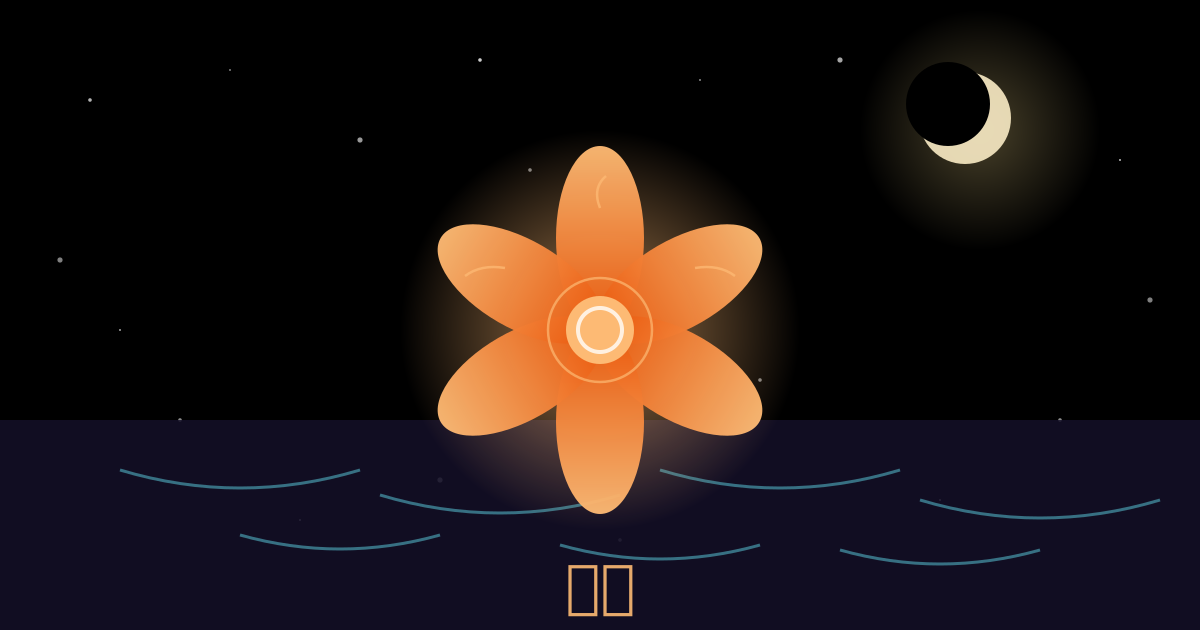
Sacral Chakra Meaning: Svadhisthana & Creative Flow
Sacral chakra meaning: what Svadhisthana represents — pleasure, creativity, and emotional flow — plus the symbolic signs it needs attention and gentle practices to restore balance.
Read the meaning →
How to Balance Your Chakras: A Complete Routine
How to balance your chakras: a beginner routine with a 20-minute guided meditation, a 5-minute daily version, mantras, yoga poses, and a weekly focus.
Read the meaning →
Blocked Root Chakra: Signs & How to Heal It
Blocked root chakra signs: persistent anxiety, financial worry spirals, restlessness, and feeling ungrounded. Learn what blocks Muladhara and grounding practices to heal it.
Read the meaning →