
Solar Plexus Chakra Blocked: 12 Signs Your Confidence Center Is Out of Balance
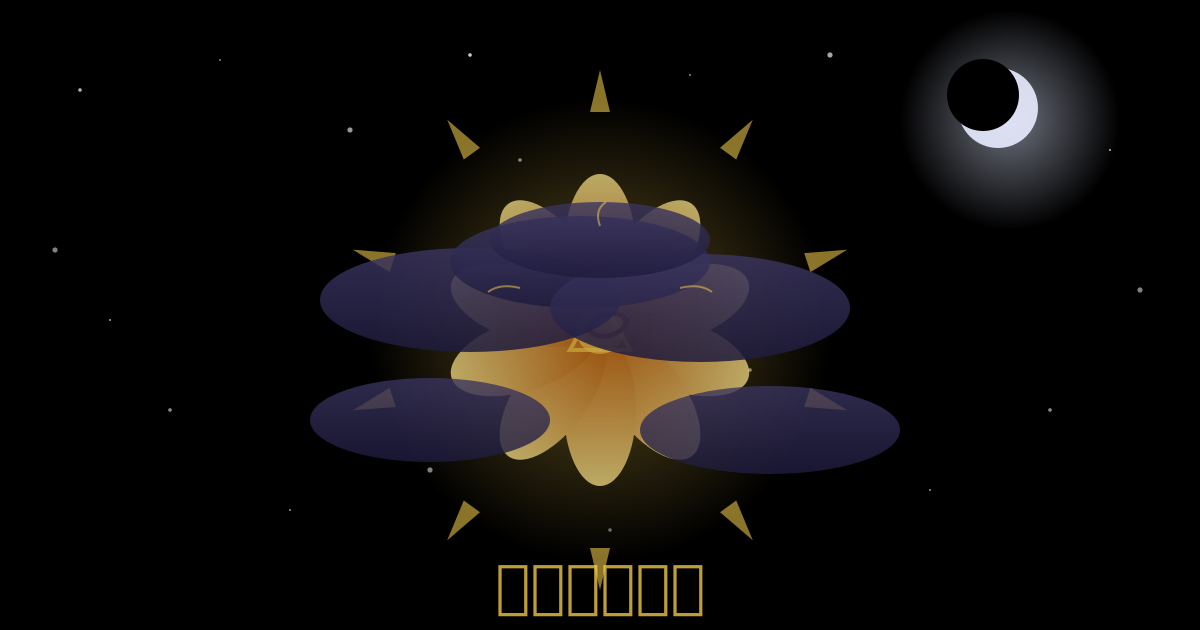
You know the feeling even if you have never heard the word Manipura. It is the meeting where your idea dies in your throat. The message you type, delete, and retype until the moment passes. The strange paralysis in front of a menu, a map, a life decision — as if choosing wrong would be worse than not choosing at all. In the chakra tradition, that inner dimming has a name and an address: Manipura, the solar plexus chakra, the golden fire-center just above the navel where confidence, willpower, and personal power are said to live.
The tradition does not call this a flaw. It calls it a blocked fire — not broken, not gone, only starved of oxygen. And it offers a striking image for the whole problem: a sun behind clouds is still a sun. The light has not left; something is simply in front of it. This guide explores the 12 symbolic signs the tradition associates with a blocked solar plexus chakra, the patterns said to dim it, and the gentle practices for rekindling your inner fire — framed as contemplative self-reflection and confidence-building, never as medical advice or guaranteed results.
Manipura: The Solar Plexus Chakra in Depth
Sanskrit name: Manipura (“lustrous gem” or “city of jewels”). Location: the upper belly, between the navel and the base of the sternum. Color: yellow and gold — the color of noon sunlight, ripe wheat, and fire at full strength. Element: fire. Seed sound: RAM. Symbol: a ten-petaled lotus containing a downward-pointing triangle — fire descending into form — with a ram, the animal of fierce forward charge. Associated themes: confidence, willpower, self-esteem, personal power, decision-making, discipline, ambition, and the courage to act on your own behalf.
The symbolism is doing philosophical work at every turn. Fire is the element because will behaves like fire: it needs fuel, it needs air, and it needs to be contained — a hearth fire warms the house; an uncontained fire burns it down. The downward triangle says the abstract must descend into the concrete: intentions mean nothing until they become actions. And the ram — an animal that moves forward by charging — is the tradition's argument against overthinking: at some point the deliberation has to end and the charge has to begin.
There is a modern echo worth noting, and it is almost too neat. Scientists studying the gut-brain axis keep finding that the belly is dense with neural tissue and in constant conversation with the brain — which is why we say “I feel it in my gut” about decisions and “butterflies” about fear. The chakra tradition placed the seat of personal power in exactly that spot centuries before the microscopes arrived. Whether you read that as ancient wisdom or coincidence, the practical takeaway is the same: confidence is not a thought problem solved in the head — it is a whole-body posture, and the belly is its headquarters.
12 Signs Your Solar Plexus Chakra May Be Blocked
As with every chakra, “blocked” or “overactive” is symbolic language for patterns, not a diagnosis of anything. The solar plexus framework offers a vocabulary for noticing how your relationship with your own power is doing. Tradition divides the imbalance into two directions — the fire gone dim, and the fire out of control.
The dimmed fire: six signs of a blocked solar plexus
- Chronic self-doubt — a running inner commentary that questions your competence even in areas where you are clearly capable
- People-pleasing on autopilot — saying yes to avoid friction, then resenting the yes, while your own needs never make it onto the agenda
- Decision paralysis — agonizing over small choices and freezing on big ones, as if every option hides a trap
- Shrinking in rooms you belong in — going quiet in meetings, downplaying achievements, apologizing for taking up space
- Procrastination on what matters most — mysteriously unable to start the very goals you claim to want, while trivial tasks get done effortlessly
- A felt sense of powerlessness — life happening to you rather than through you, with the future feeling like weather instead of territory
The wildfire: six signs of an overactive solar plexus
The solar plexus has a shadow, and it runs in the opposite direction. Tradition describes an overactive Manipura as fire with no hearth — power without proportion. The symbolic signs include:
- Controlling tendencies — needing every plan, conversation, and person to follow your script, and agitation when they do not
- Domineering in conflict — the need to win arguments rather than resolve them, and difficulty hearing criticism without counterattacking
- Aggression disguised as ambition — bulldozing over people, deadlines, and your own body in the name of getting ahead
- Impatience with anything slow — including other people's feelings, which start to look like obstacles
- Self-worth tied to status — confidence that holds only while you are winning, and collapses the moment you are not
- An inability to delegate or trust — the conviction that if you want something done right, you must grip it yourself
The distinction the tradition draws is sharp and useful: a dimmed fire and a wildfire are the same element in the wrong proportion. One starves; the other scorches. The goal in both cases is the hearth — a contained, steady burn. And if persistent self-doubt, anger, or control struggles are significantly affecting your daily life, please also speak with a qualified counselor or therapist — spiritual frameworks and professional support work best as allies, never as alternatives.
How the Tradition Says the Fire Gets Dimmed
Manipura is traditionally said to dim not from one dramatic event but from thousands of small shrinkings. The patterns the tradition names will sound familiar: repeated shame or humiliation, especially in childhood; chronic criticism from people whose approval mattered; being over-controlled by caregivers, so that initiative was punished and obedience rewarded; perfectionism that treats every mistake as evidence of unworthiness; long seasons of suppressing anger — being told, directly or not, that your fire was too much; and the slow habit of abandoning your own desires to keep the peace, until you can no longer hear what you want.
Notice the common thread: every one of these teaches the same lesson — it is safer to be small. And the lesson works, in the narrow sense. Smallness does avoid conflict, criticism, and rejection. But the tradition points to the hidden invoice: a self that has learned to shrink for safety eventually forgets it ever knew how to expand. The good news, in this framework, is that a learned smallness can be unlearned — the fire was banked, not extinguished, and banked fires are the easiest kind to wake.
Practices to Rekindle Your Inner Fire
Take the morning sun
Manipura's element is fire, and its color is the gold of noon. The tradition's simplest prescription is literal: stand in actual sunlight, especially in the morning. Feel warmth on your upper belly. No mantra required — just the deliberate act of letting yourself be lit. People who live under gray skies are advised to improvise: a bright window, a golden lamp, even visualizing sunlight pooling warm in the belly during a quiet minute. The symbolism does the work: you are allowed to take up light.
Move the core with confidence
The solar plexus sits at the body's center of gravity, and the tradition treats the core as the front door to willpower. The prescription is strong, deliberate movement — not punishing, but proud: planks held with steady breathing, slow sit-ups done with attention, martial-arts-inspired stances, or simply standing tall with shoulders back and belly soft but engaged. The key is the attitude: move like someone who trusts their own body. Posture research in modern psychology keeps rediscovering the same folk wisdom — the body and the sense of agency talk to each other in both directions.
Keep small promises to yourself
This is the tradition's most practical confidence technology. Self-trust, in this framework, is built the way all trust is built: through kept promises. Not grand resolutions — tiny, daily, undeniable ones: make the bed, walk for ten minutes, send the email, drink the water. Each kept promise is a small deposit in the account labeled “I do what I say.” The tradition is emphatic that the size of the promise does not matter; the keeping does. A month of kept small promises, practitioners say, changes how you meet your own eyes in the mirror.
Speak up in low-stakes rooms
A dimmed solar plexus goes silent to stay safe, so the rekindling starts where the stakes are low: voice the preference for the restaurant. Ask the question in the meeting. Send back the wrong order politely. Compliment the stranger. Each small act of audible selfhood teaches the nervous system that speaking does not cause catastrophe. The tradition advises starting embarrassingly small — the muscle of voice, like any muscle, is built with light weights before heavy ones.
Sit with the flame
Fire-gazing — sitting quietly before a candle flame — is one of the oldest contemplative practices in the tradition, and Manipura is its natural home. Dim the room, place a candle at eye level, and simply watch the flame for five to ten minutes, letting your attention rest on its dance. When the mind wanders, return to the fire. Practitioners describe it as borrowing the flame's qualities: steady, bright, unapologetic about taking up space. Always practice standard candle safety — stable surface, away from anything flammable, never unattended.
Declutter as an act of will
The tradition reads a chaotic environment as a mirror of scattered will, and prescribing order as a way to practice command. Choose one small territory — a drawer, a desk, a shelf — and bring it fully under your authority: everything decided, everything placed. The point is not tidiness as virtue; it is the felt experience of imposing your will on matter and having matter obey. Done regularly, the tradition says, this rebuilds the lived sense that your decisions have consequences in the physical world.
A 7-Day Solar Plexus Rekindling Plan
A gentle week of waking the fire — steady, not scorched:
- Day 1: Stand in morning sunlight for five minutes, hand on your upper belly. Silently name one thing you are capable of. Just one.
- Day 2: Keep three tiny promises to yourself — make the bed, take the walk, send the message. Notice the keeping.
- Day 3: Voice one preference out loud today that you would normally swallow. Small is perfect.
- Day 4: Do ten minutes of strong core movement — planks, slow sit-ups, a proud stance. Move like someone with agency.
- Day 5: Declutter one drawer completely. Decide the fate of everything in it. Feel your will move matter.
- Day 6: Sit with a candle flame for ten minutes (with standard fire safety). Watch it. Borrow its steadiness.
- Day 7: Journal honestly: what is one thing I want that I have been pretending not to want? Write it in plain words, no editing, no apology.
Notice what none of these do: none of them demand confidence. Each one simply removes an obstruction — dimness, distrust, silence, scattered will — and lets the fire remember its own nature. That is Manipura's whole method: not manufacturing power, but uncovering it.
Living From Your Power Center: Integration
The tradition is clear that the goal is not dominance — a hearth is not a bonfire. Fire at the right scale does not conquer the room; it warms it. A balanced solar plexus, in this framework, is not the absence of doubt but a changed relationship with it: doubt arrives, gets heard, and then gets outvoted by evidence. Decisions get made. Desires get named. The inner commentary quiets from a heckler to an advisor.
Practitioners describe the long-term shift in plain, unglamorous terms: they answer emails faster. They say no without the three-paragraph apology. They apply for the thing, ask for the raise, end the conversation that was over twenty minutes ago. They stop rehearsing sentences in the shower for arguments that will never happen. And the ambition that was supposed to be the whole point? It tends to show up as a side effect, unforced, the way it always did in childhood: not as proving something to the world, but as the natural overflow of a self that trusts itself.
Manipura's final lesson is also its first: you are allowed to want things, and to go after them. Not once you are certain. Not once you deserve it. The sun does not ask permission to rise — it only needs the clouds to move. Everything else is weather.
Frequently asked questions
What does a blocked solar plexus chakra feel like?
Symbolically, a sluggish solar plexus is described as a collapse of personal power: chronic self-doubt, people-pleasing, difficulty making decisions, procrastination on important goals, feeling invisible or powerless, and shrinking in groups. These are symbolic patterns for self-reflection and confidence-building, not medical diagnoses.
What causes the solar plexus chakra to become blocked?
In the symbolic framework, Manipura is said to dim through repeated experiences of shame or humiliation, chronic criticism, being over-controlled as a child, perfectionism that punishes mistakes, people-pleasing habits, and long periods of suppressing anger or personal desires. The tradition reads these as patterns that teach the self to shrink for safety.
How do you unblock the solar plexus chakra?
Traditional and modern practices include getting morning sunlight, core-strengthening movement done with confidence, fire-gazing or candle meditation, keeping small promises to yourself to rebuild self-trust, speaking up in low-stakes situations, decluttering your space as an act of personal will, and journaling about what you truly want without editing.
What is the difference between a blocked and an overactive solar plexus chakra?
A blocked solar plexus is symbolically described as collapsed will: self-doubt, passivity, indecision, and invisibility. An overactive solar plexus is the opposite pattern: domineering behavior, controlling tendencies, aggression, impatience with weakness, and tying self-worth to status or winning. Both are seen as the same fire out of proportion — one starved of fuel, the other burning down the house.
Keep exploring
Solar Plexus Chakra Meaning: Manipura & Personal Power
Solar plexus chakra meaning: what Manipura represents — confidence, willpower, and personal power — plus the symbolic signs it needs attention and gentle practices to restore balance.
Read the meaning →
Blocked Heart Chakra: Signs & How to Open It
Blocked heart chakra signs: difficulty trusting, guardedness, grudges, and emotional numbness. Learn what closes the heart and gentle practices to reopen it.
Read the meaning →
How to Balance Your Chakras: A Complete Routine
How to balance your chakras: a beginner routine with a 20-minute guided meditation, a 5-minute daily version, mantras, yoga poses, and a weekly focus.
Read the meaning →