
Selenite Meaning: The Moonlight Stone of Cleansing & Calm
The Moonbeam Mineral
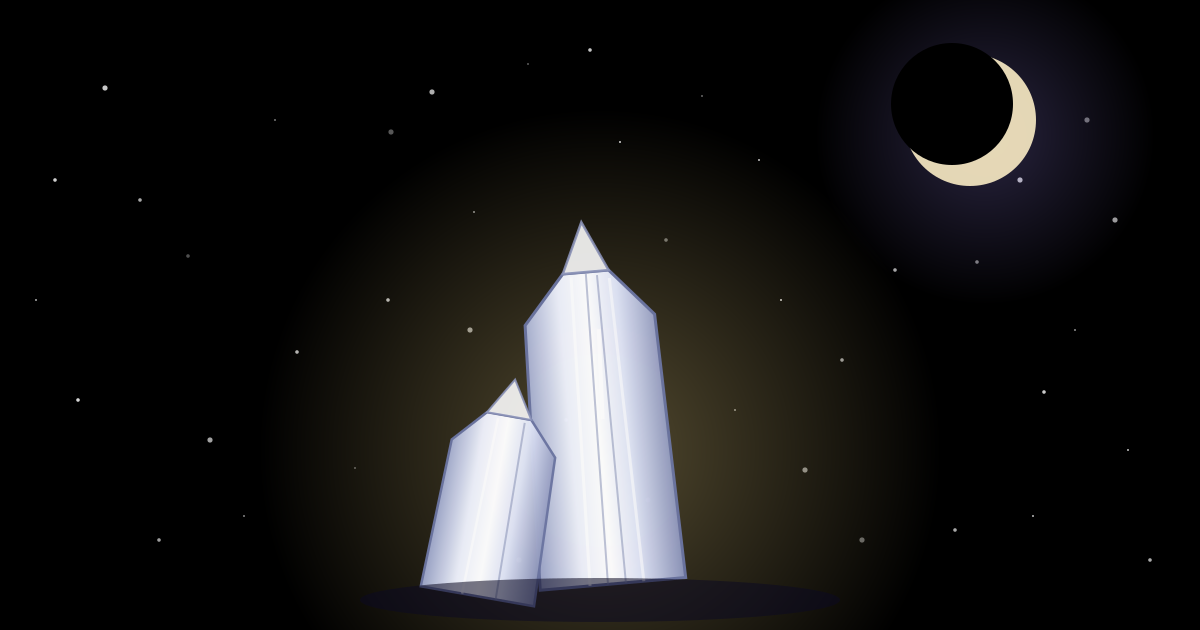
Selenite doesn't look like a stone. It looks like frozen moonlight — pearly white, silky, translucent, with a soft glow that seems to come from inside. Pick up a tower and the first thing you notice is how light it feels, and the second is how easily your fingernail could scratch it. Both impressions tell the truth about selenite: it is the softest, most luminous, and most fragile crystal most people will ever own.
Mineralogically, selenite is a variety of gypsum — calcium sulfate dihydrate — with a hardness of just 2 on the Mohs scale, soft enough to scratch with a coin. Its name honors Selene, the Greek goddess of the moon, and the stone earned it: held to light, selenite carries a moonlike sheen called adularescence in the best specimens, and even rough pieces glow faintly in lamplight. Morocco, Mexico, Greece, and the famous Cave of the Crystals in Chihuahua produce remarkable specimens — that Mexican cave holds gypsum crystals the size of telephone poles, the largest mineral crystals ever found.
Here's the naming honesty that crystal shops rarely volunteer: nearly every "selenite" tower, wand, lamp, and charging plate on the market is technically satin spar, the fibrous variety of gypsum. True selenite grows as clear, platy crystals — "selenite windows" were once used as glass panes in churches — while satin spar grows in silky fibers that catch the light in a pearly chatoyancy. Both are the same mineral, both get called selenite by the trade, and practitioners consider their properties identical. If a purist corrects you, you can smile and say "satin-spar gypsum" — and then go back to calling it selenite like everyone else.
The usual framing applies: everything here is spiritual and wellness tradition, not science or medicine. Selenite is a beautiful companion for cleansing rituals, tidier spaces, and calmer evenings — it is not a treatment for anxiety, it cannot purify anything in a physical sense, and no stone replaces real rest, real therapy, or real housekeeping. If you're struggling, the tools that work are professional support and practical habits; the selenite is the moonlit bookmark reminding you to keep the practices up.
What Selenite Represents
Selenite's reputation clusters around a small set of themes that have barely changed in two thousand years — the Greeks placed it in windows and amulets, and modern practitioners use it in almost the same spirit:
- Cleansing and clearing: the signature meaning — the stone that "resets" energy, whether of other crystals, rooms, or moods. Its nickname in shops is simply "the cleanser."
- Clarity and mental quiet: the clear, simple white color is the whole message; practitioners use it during decision-making and meditation as a visual cue for a still mind.
- Peaceful sleep: the traditional bedside stone — placed on nightstands or under pillows as part of wind-down rituals (a real pillow-top chunk is overkill; a small wand on the nightstand does the symbolic job).
- Protection of thresholds: towers by front doors and windowsills, standing as a symbolic "clean slate" that heavy moods pass through and lighten.
- Connection to intuition: linked in traditional systems to the crown chakra and moon energy, used in third-eye meditation and dream-journaling setups.
The through-line is release. Black tourmaline holds the perimeter; citrine chases the goal. Selenite's job is subtraction — the clear desk, the swept room, the closed tab. Practitioners describe it less as adding something and more as removing noise: hold it, and the day's static seems to drain out. The stone doesn't do the draining; the pause does. Selenite is just the beautiful excuse to take one.
Cleansing Other Crystals with Selenite
The most popular use of selenite in modern crystal practice is also its most debated: the selenite charging plate or bowl. The method is simple — place your other stones on or around a flat selenite disc overnight, and tradition says they emerge "cleansed and recharged," ready for a new cycle of use.
Let's be honest about what can and cannot be true here. There is no physical mechanism by which one mineral resets another. Quartz doesn't store your moods; amethyst doesn't run down like a battery. What the charging plate does accomplish is genuinely valuable, and it has nothing to do with energy transfer: it forces a monthly ritual of handling every stone you own. You pick each one up, you notice which ones you've ignored, you reconsider what each is for, and you put them away with intention. That routine — curation, reflection, recommitment — is the real cleansing. The selenite plate is simply the dedicated station that makes the routine happen.
Practically, the plate method has real advantages over smoke or water cleansing: it's effortless, it's safe for every stone (no salt, no sun, no water damage), and it turns maintenance into a visible nightly habit. Experienced practitioners often combine it with journaling — stones on the plate, intentions in the journal — making the charging station the physical center of a review practice. Call it what it is: a beautiful altar for a monthly audit of what matters to you right now.
How Practitioners Actually Use Selenite
Beyond the charging plate, selenite shows up in a handful of well-loved rituals:
- The tower at the threshold: a selenite tower by the front door — the classic placement. Every entry becomes a tiny ritual: step inside, glance at the tower, let the workday drop off. It works because thresholds are psychologically powerful; the tower just marks them.
- The wand sweep: slowly waving a selenite wand around the body or a room, "brushing" away stagnant feelings. Practitioners pair it with deep breathing; the motion gives restless hands something to do while the mind settles — the physical calm is real, whatever you believe about energy.
- The nightstand companion: a small tower or tumbled piece on the nightstand as part of a wind-down sequence — phone down, selenite glanced at, lights low. It functions like a candle in reverse: a cue that the day is ending.
- The grid anchor: selenite wands placed at the corners of crystal grids, traditionally said to "amplify and connect" the other stones — in practice, they make beautiful, intentional frameworks for a focus practice.
- The meditation hold: a palm-sized piece held during meditation, its cool silkiness an anchor for attention when thoughts scatter. The texture alone is worth the price of admission.
A simple evening ritual practitioners love: place your selenite tower where you'll see it at bedtime, and when you do, name one thing from the day you're putting down — said out loud or written in a journal. The tower is the visual full stop. This is cleansing as closure: the day doesn't end because the clock says so, it ends because you said it ends. The moonlight stone is the witness.
The One Hard Rule: Keep It Dry
This is the most important thing any selenite article can tell you, and it is not folklore — it is mineralogy. Selenite is gypsum, and gypsum is water-soluble. Soak it, run it under the tap, or leave it in a damp spot long enough, and it will turn cloudy, soften, pit, and eventually crumble into a sad pile of moonlit dust. A selenite lamp in a steamy bathroom is a slow-motion tragedy.
So how do you cleanse the stone that cleanses everything else?
- Moonlight: the traditional and poetic choice — selenite and the moon goddess share a name, and the stone is unharmed by light. A windowsill overnight is perfect.
- Smoke: pass it through incense or sage smoke for a minute; the stone is untouched, the ritual satisfied.
- Sound: a singing bowl or bell rung near it — zero contact, full ceremony.
- Dry cloth: dust with a soft, completely dry cloth. Never a damp one.
Also: keep selenite out of bathrooms, away from kitchen splashes, off windowsills that catch rain, and out of direct sun for months (the sun won't dissolve it, but long UV exposure can dull its sheen). Because it's so soft, store it separately from harder stones — quartz and amethyst will scratch it in a shared pouch. Treat selenite like what it is: a beautiful, delicate mineral that asks for a little care in return for all that moonlight.
Spotting Real Selenite vs. Fakes
Selenite is cheap and abundant, so outright fakes are rarer than with citrine — but the market has its own quirks:
- Real satin spar: silky, fibrous sheen (look for fine parallel fibers when you turn it in light), soft enough to scratch with a fingernail, cool and light in the hand, often with natural striations and minor flaws.
- Dyed or coated pieces: garish blue or pink "selenite" is dyed — real gypsum doesn't grow those colors. Waxy coatings that pool in cracks signal treatment too.
- Plastic imitations: feel warm, weightless, and perfectly smooth — real selenite has subtle fiber texture and a cool, chalky touch.
- "Selenite" that is actually glass: glass is cold, hard, and flawless; selenite is soft, silky, and scratchable. The fingernail test settles it in seconds.
Price is a reliable guide: a small tower for a few dollars is honest; anyone charging premium prices for "rare natural selenite" is selling a story. Selenite is one of the most affordable stones in the crystal world, which is part of its charm — moonlight shouldn't be expensive.
Buying Selenite Without Overpaying
- Start with a tower or wand: the two most useful shapes. A 4–6 inch tower for the door or nightstand, a wand for sweeps — both should cost pocket money, not rent.
- Charging plates: buy one flat disc if you have a collection to maintain; it's the selenite purchase that earns its keep through daily use.
- Selenite lamps: gorgeous — a glowing pillar of moonlight — but remember the dryness rule: living rooms and bedrooms only, never bathrooms.
- Ask about dye: any vivid color (blue, purple, pink) is dyed. Decide if you like the look — dyed gypsum is still gypsum — but don't pay a premium for it.
- Check the fibers: hold it to light and look for the silky parallel fibers of satin spar. That's the signature of the real stone.
Buy from mineral dealers and established crystal shops, keep it dry, and let it be the calmest object in your home. The softest stone in the collection often does the hardest work — reminding you, every evening, to put the day down.
Closing: The Quiet Reset
Selenite endures — in doorways, on nightstands, beneath collections of harder stones — because it answers a permanent human need: the need for a clean edge between what was and what is next. Not dramatic transformation, not a promise of anything — just a white stone that says: this part is over, and the next part can start clean.
So set the tower where you'll see it tonight. Name the one thing you're putting down. Let the moonlit pillar on your nightstand be the last thing you glance at before sleep — not a guarantee of peaceful dreams, but a small ceremony of ending. Selenite doesn't hold the moonlight. It reminds you to rest under it.
Frequently asked questions
What is selenite used for spiritually?
In crystal tradition, selenite is the stone of cleansing, clarity, and calm — used to 'reset' other crystals, clear stagnant-feeling spaces, and create a peaceful atmosphere for meditation and sleep. Practitioners keep towers by doors and bedsides, sweep wands around their aura or rooms, and rest smaller stones on selenite charging plates. Everything here is spiritual tradition, not science: the practical value is the ritual of pausing, tidying, and setting an intention.
Can selenite go in water?
No — never soak selenite in water. Selenite is gypsum (calcium sulfate), and it dissolves and degrades with prolonged water contact, turning cloudy, soft, and eventually crumbling. This is a real mineral property, not folklore. Cleanse it with moonlight, smoke, sound, or a soft dry cloth instead.
Does selenite really cleanse other crystals?
There is no scientific mechanism by which one stone cleanses another — but in crystal practice, selenite charging plates and bowls are the most popular 'reset' method. The honest view: placing your stones on selenite is a ritual of recommitment. It forces you to handle each stone, reconsider its purpose, and put it away with intention, which is genuinely useful whether or not energy transfer is real.
Where should I put selenite in my home?
Practitioners favor three placements: a tower by the front door (a symbolic 'clean slate' threshold), a wand or tower on the nightstand (for calmer sleep routines), and a charging plate where the crystal collection lives. Keep selenite away from bathrooms, kitchens, and windows that get rain — humidity and splashes damage it over time.
Is selenite the same as satin spar?
Almost every 'selenite' tower, wand, and lamp sold in crystal shops is technically satin spar — the fibrous, silky variety of gypsum — rather than true transparent selenite crystals. Both are the same mineral (gypsum); satin spar just grows in pearly fibers instead of clear plates. The metaphysical properties are considered identical by practitioners, and sellers use 'selenite' as the trade name for both.
Keep exploring

How to Cleanse and Charge Crystals: Complete Guide
How to cleanse and charge crystals: water, smoke, moonlight, sound & selenite methods. Which stones to keep dry, plus a simple monthly ritual. Keep your
Read the meaning →
Citrine Meaning: The Stone of Abundance & Sunny Energy
Citrine meaning & uses: the golden stone of abundance, optimism & manifestation. Natural vs. heated amethyst, wealth rituals, cleansing & care.
Read the meaning →
Amethyst Meaning: The Stone of Calm & Intuition
Amethyst meaning & uses: the violet stone of calm, intuition & restful sleep. Meditation practices, dream work, varieties, and how to protect its color.
Read the meaning →
Dreaming of Being Chased: Meaning
Being chased in a dream reflects what's pursuing you in waking life — stress, deadlines, or feelings you're avoiding. Decode the pursuit.
Read the meaning →