
The Pillow Method for Manifestation: Sleep on Your Desire
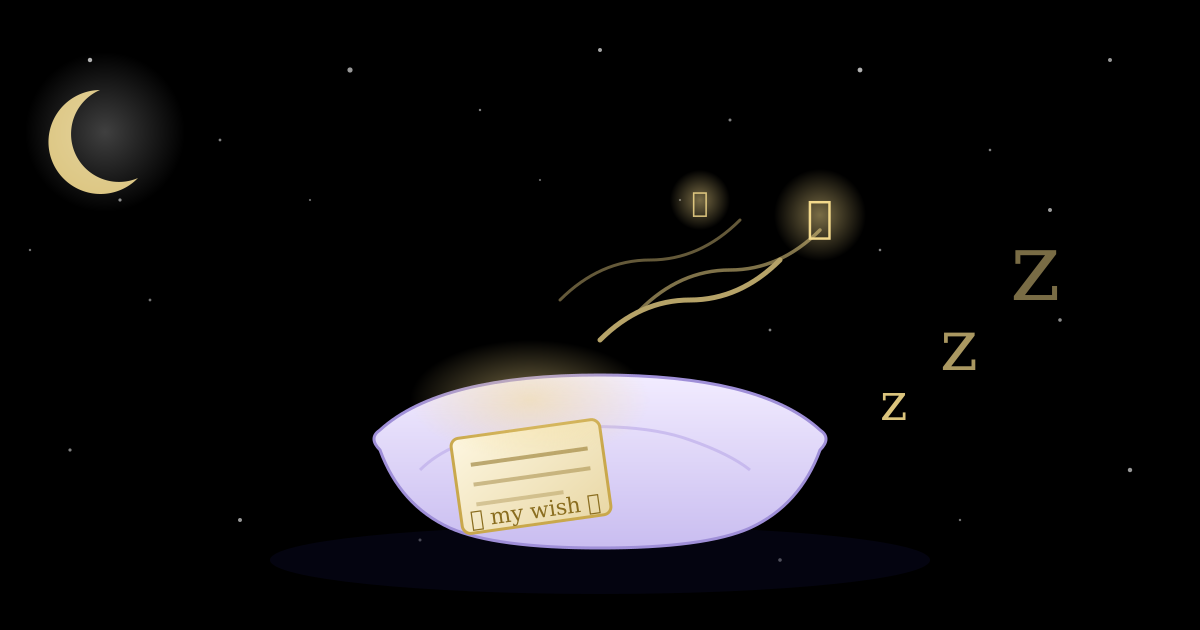
Of all the manifestation techniques on the internet, the Pillow Method asks the least of you — which is exactly why people fall in love with it. No 55 lines of handwriting, no spreadsheets of affirmations, no 45-minute morning routine. Just a small slip of paper, a pen, and the last five minutes before sleep. You write your desire down, place it under your pillow, and hand it to your sleeping mind.
The method went viral because it is almost suspiciously simple, but its roots run deeper than the trend. It descends from Neville Goddard's mid-20th-century teaching that the moments before sleep are the most powerful time for impressing a desire on the mind — what he called falling asleep in the feeling of the wish fulfilled. The Pillow Method is the folk version of that teaching: the note under the pillow is just the anchor for a practice that is really about how you fall asleep. Whether you take the metaphysics literally or read it as sleep psychology, the ritual is the same — and its honesty is what this guide keeps.
What the Pillow Method Actually Is
The ritual, stripped to its bones: every night for seven nights, you write your desire on paper in the present tense, read it aloud once, fold it, tuck it under your pillow, and fall asleep deliberately feeling as though the desire is already real. In the morning, you leave the note where it is and live your day. After seven nights, the note is retired — burned, buried, or put away — and the desire is released.
That is the entire practice. Its power, to the extent these practices have power, comes from three things the ritual quietly stacks together: brevity (one desire, one note), timing (the last conscious moments of the day), and the sleeping mind (the one third of your life your techniques rarely get to touch). The 55x5 method is a sprint of effort; the 369 method structures your day. The Pillow Method works the shift you are asleep for.
As with every technique on this site, read the success stories as inspiration, not evidence. People online report jobs, reconciliations, and sudden money appearing during a seven-night run — and those stories are self-reported and unverifiable. What is verifiable is the practice itself: a week of falling asleep with one clear, positively-framed desire held in mind. That is genuinely more directed than how most people end their days — scrolling, worrying, replaying conversations. The method replaces the last five minutes of anxiety with five minutes of intention. Whatever you believe about the universe, that trade is worth making.
Why Bedtime? The State Akin to Sleep
The Pillow Method's spiritual case starts with Neville Goddard, whose 1940s lectures taught that consciousness before sleep is uniquely impressionable. In his telling, the mind in the drowsy minutes before sleep — the hypnagogic state — drops its daytime defenses and objections. Plant a desire there, he argued, and it takes root in what he called the subconscious, which then arranges the outer world to match. The note under the pillow is a modern prop for an old idea: you do not write the wish to inform the universe; you write it to aim your own fading consciousness.
Whether or not you accept that metaphysics, sleep scientists agree on something adjacent: the brain does its deepest consolidation work at night. The day's experiences are replayed, filed, and connected during sleep, and the emotional tone of what we carry into bed measurably shapes what we dream and how we feel on waking. Falling asleep rehearsing gratitude and a fulfilled desire is simply a better bedtime habit than falling asleep rehearsing the day's disasters. The Pillow Method is, at minimum, a seven-night course in better last thoughts.
There is also a dream angle that makes this method a natural fit for a site like DreamExplained. Practitioners frequently report that during a Pillow Method run, their dreams turn toward the desire — rehearsing it, dramatizing obstacles, occasionally delivering the kind of symbolic imagery that feels like guidance. This is dream incubation, and it is one of the oldest practices in human history: the ancients slept in temples specifically to receive dream answers. If your note stirs your dreaming, keep a dream journal by the bed and write down what comes. The dreams are part of the method, not a side effect.
The Nightly Ritual, Step by Step
Do this at the very end of your day — after screens are off, teeth are brushed, the room is dark. The ritual needs about five minutes, and it must be the last thing you do before sleep, not the first thing you do after dinner.
Step 1: Write your intention note. Take a small slip of paper and write your desire in the present tense, in one to three sentences, as though it is already true. Handwrite it — slow, deliberate, and in your own hand. This is your anchor note; you will write it once, not every night. (The wording rules are in the next section.)
Step 2: Read it aloud, once. Read the note to yourself in a quiet voice, slowly. Then close your eyes and replay it as a scene, not a sentence: see it, feel it, hear it — thirty seconds of being inside the fulfilled version. The tradition is strict here: the feeling is the engine, the words are just the ignition.
Step 3: Fold it and tuck it under your pillow. Fold the note once or twice and slide it under your pillow or inside the pillowcase. This is the gesture that gives the method its name and its ritual charge — you are literally sleeping on the desire. Then lights out. No phone check after.
Step 4: Fall asleep in the wish fulfilled. As you drift off, hold the feeling-tone of the desire being real — not the logistics, not the timeline, just the warmth of it being done. If your mind wanders to worries, gently return it to the scene. Do not force imagery; a soft, sleepy feeling of gratitude is enough.
Step 5: Morning — leave the note, live the day. When you wake, leave the note where it is. Do not re-read it each morning; the ritual lives in the evenings. Go about your day normally, but stay alert to openings — the method's practitioners treat the days as the arena and the nights as the rehearsal.
Repeat for seven consecutive nights. On the seventh night, after the reading, hold a little extra gratitude — a small sense of ceremony about closing the container. The next day, retire the note: practitioners burn it (safely), bury it, or tuck it into a keepsake box. The release gesture matters: it marks the end of asking and the beginning of trusting.
Writing Your Note: Wording That Works
You will read this note seven times, and it anchors the whole ritual, so make it count. The rules practitioners swear by:
- Present tense, as if already true. Write "I am sleeping peacefully in my own quiet apartment" — not "I want an apartment" or "I will find an apartment." The subconscious rehearsal only works on a scene that is happening, not one that is pending.
- Positive framing, gratitude tone. "I am so grateful for my calm, steady job" rehearses a state your mind can hold. "I am not unemployed" keeps the mind's attention on the problem.
- One desire, one note. The Pillow Method is single-pointed by design. Combining three wishes on one slip splits the feeling you are trying to fall asleep inside. Finish one seven-night run, then start another for the next desire.
- Concrete enough to feel. "I am waking up rested in my sunlit bedroom" gives the drowsy mind something to inhabit. "I am successful" is too abstract to dream inside.
- Keep it short. One to three sentences. A paragraph is fine on night one, but by night five you should be able to recall the whole note from memory — that memorization is part of the encoding.
Example notes practitioners use:
- "I am so thankful — I signed the offer letter for the role I wanted, and I start Monday feeling calm and ready."
- "My relationship with my sister is warm again. We laughed on the phone tonight, and it felt easy."
- "I sleep deeply in my own peaceful apartment. The rent is handled, the room is quiet, I feel safe."
Notice that each one is a small completed scene, not a demand. Write yours, read it aloud, and notice how it feels in your chest. If it lands with warmth, it is ready for the pillow.
The Honest Psychology Behind It
Strip away the ceremony and the Pillow Method is a well-designed sleep-and-attention practice. Here is what the seven nights are plausibly doing:
Bedtime priming. The last thoughts before sleep get outsized replay during the night — this is why anxious evenings produce anxious dreams and why exam-night cramming sticks. Choosing your last thought deliberately is the method's core mechanism, and it requires no metaphysics at all: you are simply deciding what your brain consolidates tonight.
Hypnagogic suggestibility. The drowsy threshold between waking and sleep really is a state of loosened mental editing — the critical, arguing part of the mind quiets, and imagery flows more freely. This is why creative people have long prized the half-asleep state. Rehearsing a fulfilled desire there means rehearsing it without the daytime mind's objections interrupting every line.
Sleep-dependent memory consolidation. Sleep research consistently shows that what we encode before bed is preferentially strengthened overnight. Seven nights of encoding the same intention is, in plain terms, a week of telling your brain "this matters" — and a brain told something matters starts noticing related opportunities, people, and information. Practitioners call the resulting "coincidences" signs. Either way, the opportunities still need to be acted on.
The ritual-container effect. Desire without structure becomes rumination — the 2 a.m. looping that makes everything feel urgent. The Pillow Method gives longing a bedtime container: write, feel, tuck, sleep. For seven nights the desire is handled and then set down, which is often the first structured peace a worried mind has had in months. That alone improves sleep — and a better-slept person makes better decisions.
Gentle Variations
The classic method is paper under the pillow for seven nights, but practitioners have evolved a few variations worth knowing:
The dream-journal pairing. The most natural variation for this site's readers: keep a dream journal beside the bed during your seven nights and write down every dream on waking, even fragments. Pillow Method runs frequently stir vivid, desire-flavored dreaming, and the journal turns those dreams into a record you can actually read. Look for recurring symbols, obstacles dissolving, or the wish appearing in disguised form.
The gratitude-only version. Instead of a desire, write three things you are grateful for as though they already happened — "I am grateful my interview went warmly" — and sleep on thanks rather than asking. Practitioners who find desire-focused rituals anxious-making often find the gratitude version calmer, and it keeps the same bedtime structure.
The shared-intention version. Partners sometimes do the method together — each writes their own note, and they read them to each other before sleep. The tradition treats this as fine for shared goals (a home, a trip, a family's health) as long as each person's note is in their own words. Keep other people's choices out of your note, per the consent note in the FAQ.
The moon-timed run. Some practitioners start their seven nights on a new moon or full moon, syncing the container with a lunar cycle for extra ritual weight. There is no rule here — but if moon timing makes the practice feel more meaningful to you, that meaningfulness is itself part of the mechanism. Feeling matters in this practice; borrow whatever deepens it.
5 Mistakes That Quietly Undo It
The method is simple, so the failure modes are quiet:
- Reading the news after the ritual. The note must be the last input before sleep. Checking headlines, messages, or social feeds after tucking the note away overwrites the bedtime priming with exactly the material the ritual was replacing. Lights out means lights out.
- Changing the note mid-week. Day-three doubt is universal — "is this really the desire?" If the answer is genuinely no, stop and start fresh with the true one. But rewriting every other night because the first version feels stale is just impatience wearing a costume. Commit to the sentence for seven nights.
- Hunting for signs each morning. Scanning every day for proof the method is working turns a trust practice into a test — and tests breed the clutching the method is dissolving. Do the nights, live the days, evaluate after the note is retired.
- Keeping the note under the pillow forever. The seven-night container only works because it closes. A note that lives under your pillow for three months is not a ritual; it is bedding. Retire it with gratitude and let the release phase do its half of the work.
- Sleeping on it instead of acting on it. The honest version of the method treats the week as preparation and the weeks after as the arena: tuned attention plus real action is the whole formula. The note does not apply for jobs, make the call, or list the apartment. You do — ideally, better-rested than before.
After the Seventh Night: What to Do Next
Retire the note with a small gesture — burn it safely, bury it, or keep it in a box with the date. Then live normally for at least a week before evaluating anything. The tradition is firm: no auditing for results during the run, and no immediate second round out of anxiety.
Week one after: stay alert, act fast. The desire has been rehearsed nightly; your job now is the part of the practice that happens with eyes open. Say yes to the introduction, answer the listing, take the meeting. The opportunities that surfaced during the week are the method's visible half.
Review your dream journal. Read the seven nights of dreams as one story. Many practitioners find the pattern obvious in hindsight: early nights show the obstacle, later nights show it dissolving or transforming. Even if you read it purely as your mind processing the desire, that processing is useful information.
Starting a new run. If you have another desire, wait a few days — some practitioners wait until the next new moon — then write a fresh note and begin again. Never stack two runs back to back for the same desire out of worry; if a run felt incomplete, ask whether the desire itself needs clarifying, not whether you need more nights.
And the entertainment framing that runs through this site applies here too: the Pillow Method is a ceremony for meeting a longing at the edge of sleep. Nothing here guarantees an outcome — no note under a pillow can schedule the future. What it reliably does is change how you end your days: seven nights of intention instead of seven nights of scrolling worry. Fall asleep inside the wish fulfilled, wake up and act like someone it happened to. The rest is up to you — and honestly, that has always been the point.
Frequently asked questions
Does the note have to be under your pillow, or can it be on the nightstand?
The tradition says under the pillow, because the practice is built on physical closeness to the intention while you sleep. A note on the nightstand does not ruin anything, but practitioners report the tucked-under-pillow version feels more like a ritual and less like a sticky note you forgot. If allergies, comfort, or a restless sleeper make the pillow placement annoying, place it inside the pillowcase or directly beneath it — the point is that it is with you in the bed, not across the room.
Can you write the note on your phone instead of paper?
Paper is strongly preferred, and this is one of the few techniques where the analog requirement is worth honoring. Handwriting forces slower, more deliberate encoding than typing, and a physical note can live under your pillow in a way a phone cannot without tempting you to scroll. If you travel and have no paper, a phone note saved and read aloud before sleep is a serviceable stand-in — but practitioners who switch from phones to paper almost always report the paper version feeling stronger.
How many nights should you do the Pillow Method?
Seven nights is the traditional container, and it is a good one: a full week gives the ritual enough repetition to become part of your evenings without turning into an open-ended chore. After seven nights, retire the note — do not keep sleeping on it indefinitely. A few practitioners run a second seven-night round after a break, but the method is designed as a one-week sprint followed by release, not a permanent bedtime fixture.
Can you do the Pillow Method for someone else, like a partner or child?
You can write an intention that involves another person — for a partner's healing, a child's confidence — but keep it in your own domain: write about your wish for them, in gratitude terms, without trying to script their choices. The respectful version of the method works on your relationship with the situation, not on the other person's free will. The whisper method guide on this site covers the consent conversation around influence practices in detail.
Keep exploring

369 Manifestation Method: The Complete Guide
The 369 manifestation method explained: Tesla's 3-6-9 numbers, the exact daily ritual step by step, the psychology behind it, and an honest look at results.
Read the meaning →
Scripting for Manifestation: Write Your Future Into Being
Scripting for manifestation: how to write your future in the present tense. The step-by-step method, a full example script, variations, and the psychology.
Read the meaning →
Signs Your Manifestation Is Coming: 11 Signs It's Almost Here
Signs your manifestation is coming: repeating numbers, synchronicities, vivid dreams, a sudden calm, doors closing — the 11 classic signs, the honest psychology behind each, and how to respond.
Read the meaning →