
Pink Moon Meaning: Why April's Full Moon Is Called the Pink Moon
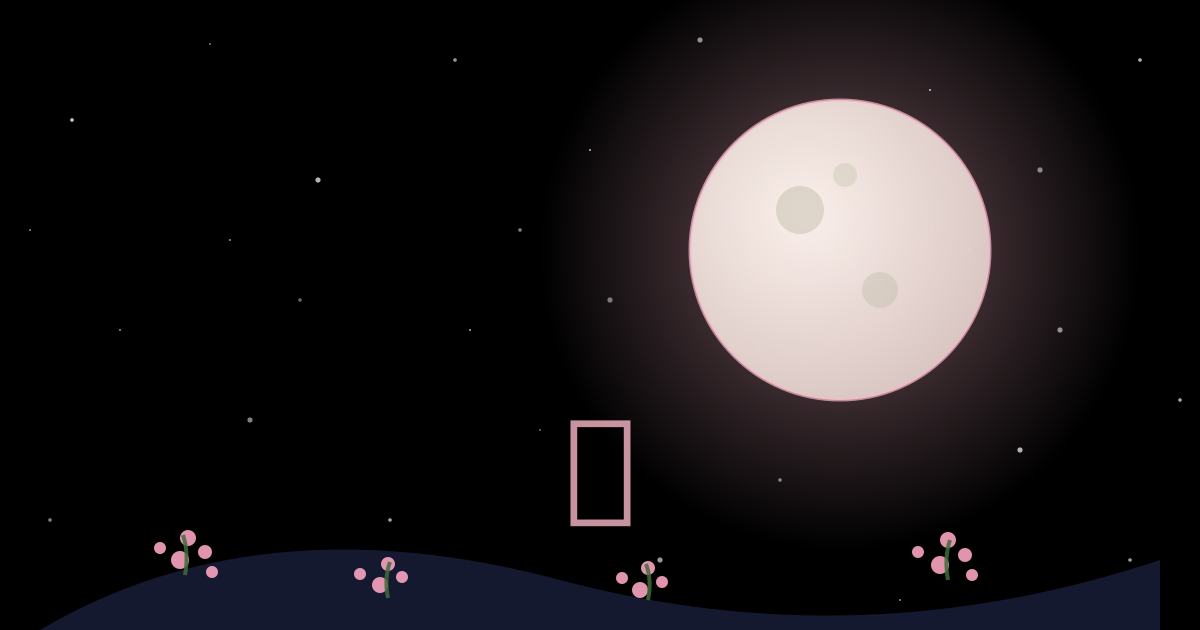
Why Is April's Full Moon Called the Pink Moon?
The named full moons of North American folk tradition — Harvest, Hunter's, Snow, Wolf — were popularized by the Old Farmer's Almanac, and April's entry has the gentlest origin story of all. The Pink Moon is named for the moss pink, also called wild ground phlox, one of the earliest spring wildflowers to bloom in eastern North America. Around the time of April's full moon, hillsides and meadows bloom pink with it — so the moon of April became the Pink Moon, the moon of the first flowers.
The name belongs to a whole family of spring-timed lunar names. Various Indigenous traditions and colonial records attach similar names to April's moon: the Breaking Ice Moon, the Moon When the Streams Are Again Navigable, the Budding Moon of Plants and Shrubs. Some traditions call it the Egg Moon or the Fish Moon. The Almanac's version stuck with "Pink Moon," and it is arguably the prettiest name in the whole calendar of named moons — the only one named not for work, weather, or animals, but for flowers.
There is an honesty note that matters every single April, because it disappoints thousands of people: the Pink Moon is not pink. It looks exactly like a normal full moon — silvery white, perhaps with the warm tint that any moon takes on when it hangs low near the horizon. The pink is on the ground, in the wildflowers. Every April, photos circulate online of lurid pink moons, and every April they turn out to be edited, filtered, or generated. If you plan to watch the Pink Moon expecting a rose-colored orb, you will be let down. Expect a beautiful ordinary full moon over a world that is finally, obviously, turning green and pink again — and you will get the real thing.
The Spiritual Meaning of the Pink Moon
Named moons carry emotional weather in the folklore, and the Pink Moon's weather is the most hopeful of the year: renewal, awakening, and tender new growth. Three themes dominate the spiritual reading of this moon.
Renewal
April is the month when the natural world performs its most visible resurrection, and the Pink Moon is its spotlight. The lore frames this moon as the moment to let the winter version of yourself be over — not with drama, just with the recognition that the season has changed. Where the Wolf Moon was about enduring the dark and the Snow Moon about waiting it out, the Pink Moon says the waiting is done. The reflective prompt: what have you been treating as permanent that might just have been seasonal?
Tender new growth
Moss pink is a small, low-growing flower — not a dramatic bloom, just the first brave color after months of brown. The folklore of this moon favors small beginnings over grand gestures. The spiritual reading here is that new growth starts fragile and unimpressive: the habit you started last week, the message you finally sent, the seedling on the windowsill. The Pink Moon's symbolism treats tenderness as strength — things that are just beginning need sheltering, not pressure.
Awakening desire
The third theme is the most quietly romantic: wanting things again. Winter folklore is about wanting less — fewer plans, fewer hungers. The Pink Moon's lore reverses that. April is when people start wanting things: trips, projects, gardens, each other. The moon's symbolism frames desire not as greed but as thawing — the heart doing what the ground is doing. The reflective question is simple and slightly dangerous: what do you want now that you were too tired to want in February?
Pink Moon vs. the Other Spring Full Moons
Spring's three named moons read like a three-act story, and the Pink Moon is the hopeful middle act. The Worm Moon (March) is the unglamorous beginning — earthworms returning to thawing soil, the season's first evidence that something is happening underground. Its symbolism is unglamorous thaw: the ugly, necessary work of waking up. The Flower Moon (May) is the payoff — full bloom, the garden in its glory, the season proving itself. Its symbolism is abundance and arrival.
The Pink Moon sits between them, and its theme is the fragile middle: the first color, not the full bouquet. The Worm Moon is about the ground, the Flower Moon about the harvest of beauty, and the Pink Moon about the brave little flower that blooms first. If you track the named moons as a yearly story, this is the chapter where the protagonist tries again — not triumphantly, just tentatively, like the first wildflower testing the air. It is the moon for beginners, for people starting over, for anything in its early pink stage.
One calendrical quirk worth knowing: April's full moon is often the Paschal full moon, the ecclesiastical full moon that determines the date of Easter in the Western Christian calendar (Easter falls on the first Sunday after the first full moon on or after the spring equinox). So the Pink Moon frequently shares its month with one of the world's most famous festivals of resurrection — which only deepens its folklore of renewal.
What the Pink Moon Means for You: Three Reflection Themes
If you want to work with the moon's symbolism rather than just admire it, the lore suggests three questions, one for each theme. These are journaling prompts, not cosmic instructions — the moon will do whatever it does regardless, and the value is in the ten minutes of honesty.
The seasonal audit. What in your life was actually winter rather than permanent? A friendship that went quiet, an ambition you shelved, a habit that lapsed. The Pink Moon's lore says spring does not ask what went dormant — it just blooms. Write down one thing you are willing to let thaw.
The tender beginning. What is in its early pink stage in your life right now — fragile, unimpressive, easily crushed by criticism, including your own? The lore's instruction is to shelter it rather than evaluate it. Name it, and commit to one small protective act: twenty minutes a day, one phone call, one page. New growth needs tending, not testing.
The thawed want. What do you want now that you were too tired to want two months ago? Write it down without justifying it. The Pink Moon's symbolism treats wanting as a sign of health, not a character flaw. The list can be as grand or as small as April itself — a garden, a trip, a different Tuesday.
A Simple Pink Moon Ritual: The Spring Planting
Spring folklore pairs the full moon with planting, and the Pink Moon's ritual is exactly that: fifteen minutes, one seed, one intention. You will need a small pot or cup of soil, a seed (a basil or wildflower seed is perfect), paper, and a pen.
First, write one thing you want to grow this season on the paper — a habit, a project, a relationship, a quality in yourself. Fold the paper small. Then plant the seed in the soil with your intention written beside it in your mind; press the folded paper into the soil next to the seed if you like, or keep it somewhere you will see it. Water it, place it where it gets light, and state your intention aloud, once, plainly. The folklore says the spoken word gives the seed its instructions; the psychology says that stating a commitment aloud makes it harder to quietly abandon.
Then tend it. This is the part of the ritual most people skip, and it is the actual ritual: water the seedling, check it in the morning, move it toward the light. The lore's real magic is not in the planting night but in the thirty small acts of attention that follow. A seedling that dies from neglect is not a failed spell — it is a mirror. A seedling that thrives becomes a daily, visible argument that you can grow things. Do it on the Pink Moon night or any evening in the week around it; the folklore is generous about timing, and spring is forgiving about everything.
The Honest Fine Print
This is a mystical-entertainment site, and the usual honesty applies: the Pink Moon will not make your garden grow faster, your projects succeed, or your heart thaw on schedule. Named moons are folklore, and folklore is a storytelling technology, not a force of nature. The moss pink that gave this moon its name is a small wildflower with no opinions about your personal growth. April's full moon exerts no special influence on human affairs beyond the ordinary full moon's light — and even that influence is mostly about visibility and sleep disruption, not destiny.
What the Pink Moon genuinely offers is the year's best-timed excuse for a fresh start. It arrives exactly when the world is visibly renewing itself, and a named, storied moon is a better journaling prompt than a blank page. Take the symbolism, leave the superstition, and keep watering the seedling. The seedling is real regardless of what the moon was doing.
Your Pink Moon Game Plan
The next Pink Moon rises with April's full moon — the moon of the first spring wildflowers, and often the Paschal moon that sets the date of Easter. If you want to catch it:
- When to look: the night of April's full moon, after moonrise — it rises as the sun sets and arcs through the spring sky all night.
- Where to look: anywhere with a clear eastern horizon at dusk; in spring the air is milder, so moonrise-watching is actually pleasant for once.
- The ritual night: do the fifteen-minute spring planting on the full moon night itself, or any evening in the week around it — the folklore is generous about timing.
- The follow-through: the lore's real assignment comes after: the daily watering, the tender beginning you protect, the thawed want you act on. A moon is a prompt; the month after is the answer.
The Pink Moon has been rising over the first flowers for as long as there have been people to name it. Go look at it, plant something, and let April be what it is: the world beginning again, in pink, whether or not you were ready.
Frequently asked questions
What is the Pink Moon?
The Pink Moon is the traditional name for April's full moon. The name comes from North American folk tradition, popularized by the Old Farmer's Almanac, honoring the moss pink (wild ground phlox) — one of the earliest spring wildflowers to bloom in eastern North America, carpeting meadows in pink around the time of April's full moon.
Will the Pink Moon actually look pink?
No. Despite the name, the Pink Moon looks the same silvery-white as any full moon. The name honors pink spring wildflowers blooming on the ground below, not the color of the moon itself. Any unusually tinted photos of a Pink Moon are artistic edits or atmospheric effects, which can affect any moonrise.
What is the spiritual meaning of the Pink Moon?
In spiritual folklore, the Pink Moon symbolizes renewal, awakening, and tender new growth. Rising in the heart of spring, it is associated with fresh starts, planting seeds — literal and metaphorical — and the gentle courage of beginning again. Its emotional weather is optimism: the dark season is behind you, and things are visibly coming alive.
What should I do during the Pink Moon?
Spring folklore pairs the full moon with planting and new beginnings. A simple Pink Moon practice: write down one thing you want to grow this season — a habit, a project, a relationship — on paper, then plant a real seed (a windowsill herb works) while stating your intention aloud. Tend the seedling as a daily reminder of your commitment. The practice is reflective entertainment, not a guaranteed result.
When is the next Pink Moon?
The Pink Moon rises with April's full moon each year. The next Pink Moon falls in April 2027. Each April full moon is traditionally called the Pink Moon, regardless of the exact calendar date, and in some years April's full moon is also the Paschal full moon that determines the date of Easter.
Keep exploring

Full Moon Ritual Guide: Release & Manifest Under the Full Moon
Learn exactly how to perform a powerful full moon ritual for release, gratitude, and renewal — step-by-step guide with supplies, timing, and intention ideas.
Read the meaning →
Snow Moon Meaning: Why February's Full Moon Is Called the Snow Moon
Why is February's full moon called the Snow Moon? The folklore behind the name, its alternate names like the Hunger Moon, the spiritual symbolism of patience, honest desire and rest, and a simple 15-minute February hush ritual.
Read the meaning →
Harvest Moon Meaning: Spiritual Significance & Folklore
What does the harvest moon mean? Discover the spiritual significance of the golden autumn full moon — abundance, gratitude, and reaping what you sow.
Read the meaning →
New Moon Intentions Ritual: How to Set Intentions That Manifest
Discover the new moon intentions ritual step by step — how to write powerful intentions, time your ritual, and tend your goals through the waxing moon.
Read the meaning →