
Strawberry Moon Meaning: Why June's Full Moon Is Called the Strawberry Moon
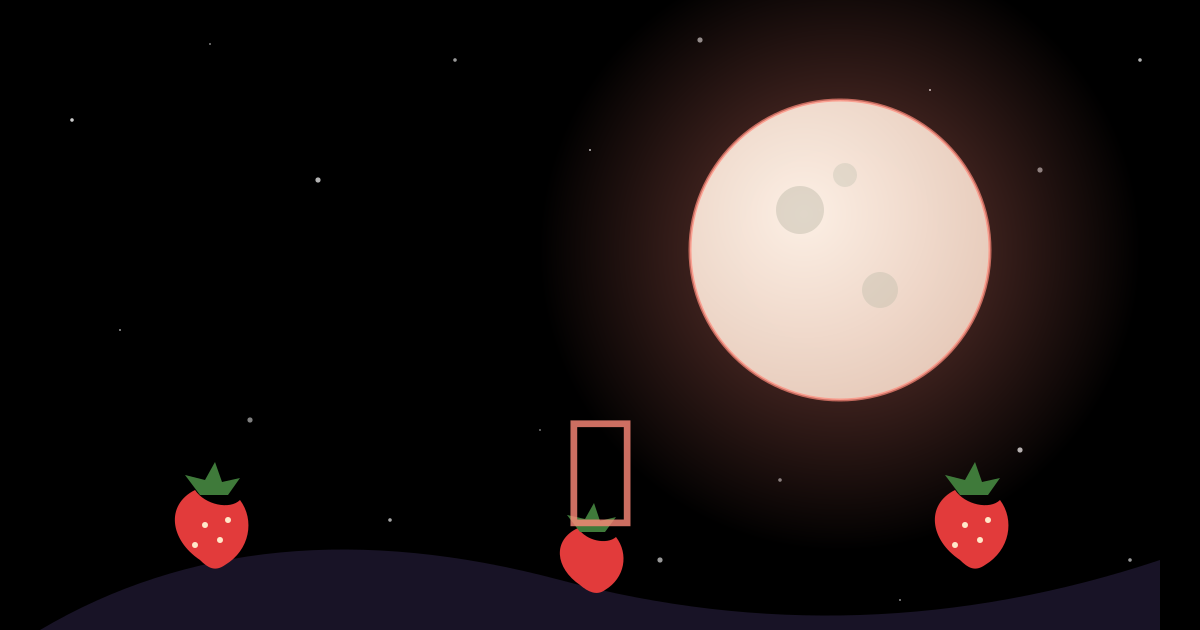
Why Is June's Full Moon Called the Strawberry Moon?
The named full moons of North American folk tradition were popularized by the Old Farmer's Almanac, which drew on Algonquin and other Indigenous naming traditions tied to the seasonal calendar. June's entry is one of the most literal names in the whole list: the Strawberry Moon is the moon of the strawberry harvest. In the northeastern United States and Canada, wild strawberries ripen in June, and the full moon that rose over the gathering season became the Strawberry Moon — a practical calendar marker for people whose year was organized by what was ready to pick, hunt, or plant.
That practical origin is what makes the name so charming. Many named moons mark weather or work — the Snow Moon, the Hunter's Moon, the Harvest Moon — but the Strawberry Moon marks a treat. Strawberries were among the first fruits of the year, small and sweet after a long winter of stored food, and their arrival was genuinely worth naming a moon after. The name traveled with the Almanac into general use, and today it is one of the best-known full moon names, right alongside the Harvest Moon and the Blue Moon.
There is a color question that comes up every June, and it deserves an honest answer. The Strawberry Moon is not named for the color of the moon, and it is not guaranteed to look red. But June does give moon-watchers a real optical gift: in the Northern Hemisphere, the June full moon rides unusually low across the sky, because the full moon sits opposite the high summer sun. Low moonlight passes through more of Earth's atmosphere, which scatters away the blue light and leaves the warm golds, ambers, and occasional reddish tints. So a Strawberry Moon at moonrise, hanging just above the horizon, often does glow warm and honeyed — sometimes strikingly orange — even though it is the atmosphere doing the coloring, not the moon itself. High in the sky later in the night, it looks like an ordinary silvery full moon. If you want the strawberry-colored view, catch it at moonrise.
The Other Names for June's Full Moon
Like most named moons, June's full moon carries a family of alternate names from different traditions, and together they sketch a fuller picture of early summer. In Europe it was often called the Rose Moon, for the roses blooming in June — the old-world twin of the strawberry name, swapping a fruit for a flower. Some traditions called it the Hot Moon, a blunt acknowledgment that summer heat has arrived. And in older English folk calendars it appears as the Mead Moon or Honey Moon, tied to the mead made from June's honey harvest — which is also where the word honeymoon is sometimes said to come from, though that etymology is debated.
Other Indigenous names for June's moon include the Berries Ripen Moon and the Green Corn Moon, marking the same seasonal moment from different angles: berries ripening, corn growing green in the fields. The through-line across all of them is unmistakable. Whatever you call it, June's full moon is the moon of the first sweetness of the year — the moment when the land stops promising and starts delivering, in berries, in roses, in honey, in green corn pushing up from the soil.
The Spiritual Meaning of the Strawberry Moon
Named moons carry emotional weather in the folklore, and the Strawberry Moon's weather is warm, generous, and slightly bittersweet: ripening, sweetness, and gratitude. Three themes dominate the spiritual reading of this moon.
Ripening
Strawberries do not ripen on a schedule you can hurry. They need sun, water, and time, and picking them early gives you a sour berry. The lore of this moon frames ripening as the opposite of forcing: the things in your life that are ready are ready, and the things that are not ready are not failures — they are just still green. The reflective prompt is a patience check: what have you been trying to pick before its time, and what has quietly ripened while you were looking elsewhere?
Sweetness
The second theme is the most direct: savoring. Summer folklore is full of warnings about rushing — the harvest season is short, and the temptation is to turn every ripe thing into a project, a preserve, a plan. The Strawberry Moon's symbolism pushes back against that instinct. Its lore says that some good things are meant to be eaten fresh, in the moment, without being processed into something more useful. The reflective question: what good thing in your life right now are you saving, storing, or postponing instead of simply enjoying?
Gratitude for the early harvest
The third theme is the one that gives the moon its staying power. The Strawberry Moon is not the big autumn harvest — that comes later, with the Harvest Moon and its barns and storehouses. June's harvest is small, early, and precious precisely because it is the first. The folklore frames gratitude for the early harvest as a different skill from gratitude for abundance: it is thankfulness before the outcome is certain, appreciation for the first berries when the rest of the crop is still a gamble. The reflective practice is to name what has already come good, without waiting for the whole story to resolve.
Strawberry Moon vs. the Other Summer Full Moons
Summer's three named moons read like a three-act story, and the Strawberry Moon is the sweet opening act. The Buck Moon (July) is the moon of growth in full stride — named for the new antlers growing on bucks in velvet — and its symbolism is vigor, momentum, and the peak energy of summer. The Sturgeon Moon (August) is the late-summer moon of the great fish running in the Great Lakes, and its symbolism is endurance, provision, and the long haul toward autumn.
The Strawberry Moon sits before them both, and its theme is the first taste rather than the full feast. The Buck Moon is about power, the Sturgeon Moon about provision, and the Strawberry Moon about sweetness — the season's first reward, enjoyed before the hard work of high summer. If you track the named moons as a yearly story, this is the chapter where the protagonist finally tastes something good after a long spring of planting and waiting. It is the moon for people who have been tending something for months and are starting to wonder whether it was worth it — the answer, in berry form, is yes, at least a little, at least now.
One calendrical quirk worth knowing: June's full moon is the full moon nearest the summer solstice, the longest day of the year in the Northern Hemisphere. That is why it rides so low in the sky — and why its moonrise can be so spectacularly warm-colored. The Strawberry Moon is, in a sense, the solstice moon: the full moon of the year's longest light, rising just as the days begin their slow shortening toward winter. Enjoying it is also, quietly, a way of marking the turning of the year.
What the Strawberry Moon Means for You: Three Reflection Themes
If you want to work with the moon's symbolism rather than just admire it, the lore suggests three questions, one for each theme. These are journaling prompts, not cosmic instructions — the moon will do whatever it does regardless, and the value is in the ten minutes of honesty.
The ripening audit. What in your life has ripened without you noticing? A friendship that steadied, a skill that clicked, a project that quietly became good while you were busy worrying about something else. The Strawberry Moon's lore says ripeness is easy to miss when you are scanning for the next problem. Write down one thing that is ready now.
The sweetness check. What good thing are you postponing instead of tasting? The lore's instruction is embarrassingly simple: eat the berry. Take the evening off, call the friend, use the good plates. Sweetness that is saved forever is sweetness never tasted, and June's folklore is blunt about that.
The early-harvest thanks. Who helped something in your life ripen? A teacher, a friend who listened, a version of yourself from six months ago who kept watering when nothing was visible. The Strawberry Moon's lore says gratitude tastes better shared — tell one person, plainly, that their part mattered.
A Simple Strawberry Moon Ritual: The Berry Gratitude
June folklore pairs the full moon with tasting and thanking, and the Strawberry Moon's ritual is exactly that: fifteen minutes, a handful of berries, one honest list. You will need fresh strawberries (or any ripe summer berry), paper, and a pen.
First, eat one berry slowly — slower than feels natural. Taste it properly: the sweetness, the slight tartness, the way it is good for about three seconds and then gone. That brief, perfect window is the whole teaching of this moon. Then write down three things in your life that have finally ripened — a project finished, a relationship steadied, a habit that held, a worry that turned out smaller than feared. Be specific; vague gratitude is easy to fake and hard to feel.
Then share one of them. Send the message, make the call, or simply say it aloud to someone who was part of it. The folklore says the spoken thanks completes the ritual; the psychology says that expressing gratitude aloud makes it stick in a way that private journaling sometimes does not. Then eat the rest of the berries, without ceremony, the way summer is meant to be eaten. Do it on the Strawberry Moon night or any evening in the week around it; the folklore is generous about timing, and June is forgiving about everything.
The Honest Fine Print
This is a mystical-entertainment site, and the usual honesty applies: the Strawberry Moon will not make your projects ripen faster, your relationships sweeten, or your gratitude arrive on schedule. Named moons are folklore, and folklore is a storytelling technology, not a force of nature. The wild strawberries that gave this moon its name are small red fruits with no opinions about your personal growth. June's full moon exerts no special influence on human affairs beyond the ordinary full moon's light — and even that influence is mostly about visibility and sleep disruption, not destiny.
What the Strawberry Moon genuinely offers is the year's best-timed excuse to stop and taste something. It arrives exactly when the first fruits of the year are ready, and a named, storied moon is a better journaling prompt than a blank page. Take the symbolism, leave the superstition, and eat the berries while they are ripe. The berries are real regardless of what the moon was doing.
Your Strawberry Moon Game Plan
The next Strawberry Moon rises with June's full moon — the moon of the strawberry harvest, and the full moon nearest the summer solstice. If you want to catch it:
- When to look: the night of June's full moon, right at moonrise — it rises as the sun sets, low in the sky, and that low path is what gives it its warm golden color.
- Where to look: anywhere with a clear southeastern horizon at dusk; the lower the moon's path, the warmer it looks, so a flat horizon helps.
- The ritual night: do the fifteen-minute berry gratitude on the full moon night itself, or any evening in the week around it — the folklore is generous about timing.
- The follow-through: the lore's real assignment comes after: the ripened thing you stop postponing, the sweetness you actually taste, the thanks you actually say. A moon is a prompt; the month after is the answer.
The Strawberry Moon has been rising over the first berries for as long as there have been people to name it. Go look at it, eat something ripe, and let June be what it is: the season finally keeping its promises, in red, whether or not you were ready.
Frequently asked questions
What is the Strawberry Moon?
The Strawberry Moon is the traditional name for June's full moon. The name comes from Algonquin tradition, popularized by the Old Farmer's Almanac: June is when wild strawberries ripen and are gathered in the northeastern United States and Canada, so the full moon of the strawberry harvest became the Strawberry Moon.
Will the Strawberry Moon actually look red or pink?
Sometimes, but not because of its name. In June the full moon rides low across the sky in the Northern Hemisphere, and its light passes through more atmosphere near the horizon, which can give it a warm golden, amber, or reddish tint at moonrise. High in the sky it looks like an ordinary silvery full moon. The strawberry color is in the harvest, not guaranteed in the sky.
What is the spiritual meaning of the Strawberry Moon?
In spiritual folklore, the Strawberry Moon symbolizes ripening, sweetness, and gratitude. Arriving at the start of summer, it is associated with enjoying what has finally come ripe after months of tending, savoring good things without rushing past them, and giving thanks for an early harvest. Its emotional weather is abundance with restraint: enough to celebrate, not yet the full autumn harvest.
What should I do during the Strawberry Moon?
June folklore pairs the full moon with tasting and thanking. A simple Strawberry Moon practice: eat fresh strawberries slowly and deliberately, then write down three things in your life that have finally ripened — a project finished, a relationship steadied, a skill that clicked — and share one of them with someone who helped it grow. The practice is reflective entertainment, not a guaranteed result.
When is the next Strawberry Moon?
The Strawberry Moon rises with June's full moon each year. The next Strawberry Moon falls in June 2027. Each June full moon is traditionally called the Strawberry Moon, regardless of the exact calendar date.
Keep exploring
Pink Moon Meaning: Why April's Full Moon Is Called the Pink Moon
Why is April's full moon called the Pink Moon? The folklore behind the name, the spiritual symbolism of renewal and tender new growth, and a simple 15-minute spring planting ritual.
Read the meaning →
Full Moon Ritual Guide: Release & Manifest Under the Full Moon
Learn exactly how to perform a powerful full moon ritual for release, gratitude, and renewal — step-by-step guide with supplies, timing, and intention ideas.
Read the meaning →
Harvest Moon Meaning: Spiritual Significance & Folklore
What does the harvest moon mean? Discover the spiritual significance of the golden autumn full moon — abundance, gratitude, and reaping what you sow.
Read the meaning →
New Moon Intentions Ritual: How to Set Intentions That Manifest
Discover the new moon intentions ritual step by step — how to write powerful intentions, time your ritual, and tend your goals through the waxing moon.
Read the meaning →