
Simian Crease in Palmistry: The Single Palmar Crease Explained
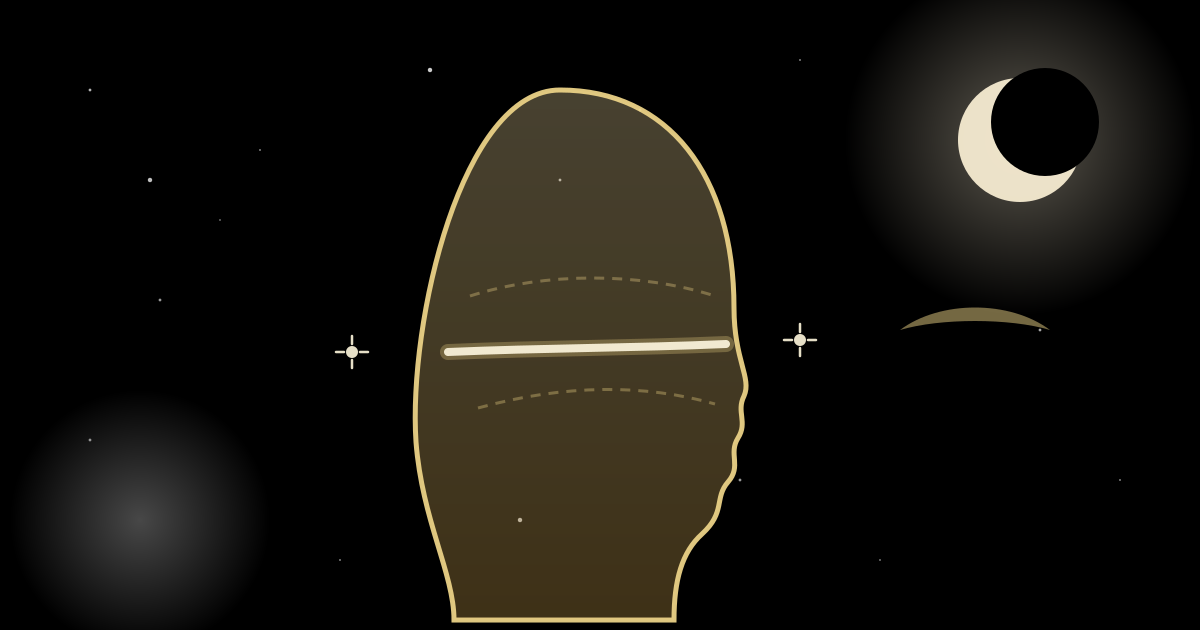
Most palms look like a familiar map: a heart line arching near the fingers, a head line cutting across the middle, a life line curving around the thumb. But a small share of hands — roughly one to two percent — carry a different landscape entirely. Instead of two separate lines across the middle of the palm, there is one single line, a bold horizontal crease spanning the hand from edge to edge. Palmistry calls it the simian crease (clinicians say single transverse palmar crease), and it is the rarest line formation most people will ever encounter on a living hand.
The name is an old anatomical label, not a commentary — it describes a crease pattern found in some primates, and early palmists adopted the term before the science moved on. What matters for your reading is what the line replaces: the head line and the heart line, fused into one. In palmistry's language, those are the lines of thought and feeling. When they run as one line, tradition says the two functions run as one force — and that fusion shapes everything the reading that follows will say.
What Is a Simian Crease, Exactly?
Open your palm and look at the middle of the hand. On a typical palm you will see two roughly horizontal lines: the heart line near the top, under the fingers, and the head line below it, slanting through the palm's center. On a simian-crease hand, those two lines are absent — replaced by a single deep line that crosses the full width of the palm, roughly along the path the two lines would have taken.
To check, look for the seam: a true simian crease runs unbroken from one edge of the palm to the other, without the gaps or branches that usually separate the head and heart lines. It often sits slightly lower than a typical heart line and slightly higher than a typical head line, right across the palm's center. It may look unusually deep or bold, as though the hand drew one line where other hands drew two. If you see a line that almost spans the palm but breaks or forks near the edge, you may have a partial or simian-line formation — covered in the next section.
A note on prevalence: population studies put a single transverse palmar crease at roughly one to two percent of people, more common in men than women, and most often found on just one hand. It is a normal human variant — unusual enough to be interesting, common enough that any busy palmist has seen hundreds of them.
Complete vs. Partial: Not Every Single Line Is the Same
Palmists distinguish between complete and partial simian creases, and the reading changes with the type. A complete simian crease runs cleanly from edge to edge with no interruption — one unbroken band. Tradition reads this as the fullest fusion of mental and emotional energy: a person whose thinking and feeling operate as a single current, for better and for worse.
A partial simian crease looks like a simian line with an escape hatch: one continuous line across most of the palm, plus a short second line — usually a fragment of a heart line or head line — visible near one edge. Some readers call this a simian line to distinguish it from the complete form. The traditional reading is a near-fusion with a release valve: the person has the simian intensity, but one part of the psyche — the fragment's territory — keeps a degree of independence. A heart-line fragment, for example, is read as emotions that occasionally assert their own separate life, outside the single current.
There is also the lookalike to rule out: the Sydney crease, in which a normal head line simply extends all the way to the palm's outer edge, so the hand looks like it has one long line. The difference is the heart line — in a Sydney formation, a separate heart line is still visible above. If you can find two lines at the top of the palm, it is not a simian crease, however dramatic the long head line looks.
One Hand, Both Hands, or the Dominant Hand?
Where the crease appears matters as much as how it looks. The most common arrangement is a simian crease on one hand only — and in palmistry, which hand carries it shapes the reading.
On the dominant hand (the one you write with), tradition reads the simian crease as an active, expressed quality: the fusion of thought and feeling is out in the open, shaping how you actually behave — in your work, your relationships, your decision-making. This is the hand the world sees, so a simian crease here is read as intensity that other people notice.
On the non-dominant hand, the reading turns inward. Classical palmistry treats this hand as the record of potential, temperament, and the private self. A simian crease here is read as a deep, interior intensity — the person feels everything at full volume on the inside while the dominant hand shows a more compartmentalized outer life. It can be the marking of the quietly passionate: volcanoes with calm surfaces.
A simian crease on both hands is the rarest arrangement and, in tradition, the most emphatic. Readers describe it as a total temperament: the fusion of head and heart is not situational but constitutional — the person's way of being. Old texts loved to dramatize this, but modern readers simply say: this is someone who will never do anything halfway, and whose challenge is learning to do things at three-quarters.
The Core Meaning: When Head and Heart Share One Line
Here is the interpretive heart of the simian crease. The head line governs how you think — logic, analysis, planning. The heart line governs how you feel — attachment, empathy, emotional rhythm. When one line does both jobs, palmistry reads it as a person in whom thinking and feeling are not separate departments.
In practical terms, this is the reading of the all-in person. Simian-crease hands, says tradition, do not experience the usual tug-of-war between head and heart because the two pull together. Decisions arrive whole: once this person is convinced — or once they love — the commitment is total. Half-measures feel unnatural. That is the gift: formidable focus, loyalty, and the capacity to pour an entire self into a project, a person, or a cause.
The shadow side follows the same logic. If thought and feeling are one current, then upsets are also total. A disappointment is not just felt; it is thought about at the same voltage. A plan that fails is not just a setback; it is a heartbreak. Traditional readers advise simian-crease owners to watch for two traps: stubbornness mistaken for conviction (once the single current commits, it resists redirection), and emotional flooding during conflict, when there is no separate "cool head" to hand the wheel to.
Neither side is destiny — it is temperament. Many traditions treat the hand as a weather report, not a forecast: it describes the climate you live in, while you still choose the day's clothes.
Traditional Traits Read From the Simian Crease
Over centuries of readings, palmists have associated the simian crease with a recognizable cluster of traits. Take them as folk psychology, not fact — but notice how many share a theme of intensity:
Relentless focus. The signature trait. Simian-crease people are said to concentrate with unusual depth, tuning out everything outside the current pursuit. Where others multitask, they mono-task with their whole being.
All-or-nothing emotion. Warmth and cold run at full strength. Tradition says these are people who love completely and withdraw completely, with little middle ground — a pattern worth knowing about if you share a life with one.
Unconventional thinking. The fused line is read as a mind that refuses to separate "reasonable" from "felt" — which can produce originality. Old texts credit simian-crease hands with an outsider's perspective: they arrive at conclusions by a route no one else took.
Physical restlessness. Some readers link the single deep crease with a need for movement and hands-on engagement — people who think best while doing, and who go stale in purely sedentary roles.
Strong will, tested patience. The traditional reading grants a powerful, self-directed will — and warns that compromise can feel like self-betrayal. The growth edge, say the texts, is learning that yielding on a point is not the same as yielding the self.
Career and Love: How the Crease Is Traditionally Read
In career, the simian crease is read as the mark of the specialist and the missionary. Tradition says these hands do best where total commitment is an asset: surgery, craftsmanship, investigation, advocacy, founding something from nothing — any field that rewards the person who will not let go. The advised caution is about switching: the same totality that fuels mastery can make a needed pivot feel like defeat. The healthy simian career, readers say, has one deep well rather than many shallow ones.
In love, the reading is tender and cautionary in equal measure. The fused line is read as the capacity for profound, unwavering devotion — the person who means every word of a vow. The caution is about the withdrawal reflex: when hurt, the same totality turns inward, and partners describe a door closing rather than a conversation starting. Palmistry's advice for simian-crease lovers is practical, not mystical: learn to narrate the feeling before the current carries you, and let small disagreements stay small.
And the old question — is it good or bad luck? — deserves the modern answer: it is neither. Palmistry at its best is a mirror held up to temperament, and the simian crease is simply one of the more dramatic mirrors. It says: you are intense. What you do with the intensity is the part no line can write.
The Honest Caveats
A word about the old books: early twentieth-century palmistry sometimes surrounded the simian crease with lurid claims — criminality, madness, doom. Those were the superstitions of their era, and serious readers abandoned them generations ago. If you find a website still trading in that language, close the tab; it is fortune-telling theater, not palmistry.
A word about medicine, too: a single transverse palmar crease is one of many minor physical features clinicians occasionally note during newborn screening, because it appears at higher rates in certain genetic conditions. But on its own, in an otherwise healthy person, it is simply a normal variant — about one in fifty hands carries one. A crease is not a diagnosis and never was. If you have health concerns, talk to a doctor; if you have curiosity about your palm, keep reading.
Finally, the palmistry-wide caveat that never goes stale: lines describe tendencies as a tradition reads them, not outcomes. The hand proposes; the person disposes.
A Simian-Crease Exercise for Tonight
Whether or not you carry the crease, this exercise borrows its lesson. The simian crease is, at bottom, about the fusion of thought and feeling — and most of us could use a little more of that honesty, deliberately.
Tonight, take one decision you have been making purely with your head — a practical choice you have been analyzing to death. Write down, in one sentence, what your feeling about it actually is, without justifying it. Then take one decision you have been making purely with your heart — something you want so badly you have stopped examining it — and write down, in one sentence, what your head actually thinks, without apology.
Now look at the two sentences together. The simian-crease lesson is that the most trustworthy answers are the ones where both sentences agree — where the line, so to speak, runs as one. If they disagree, you have learned something useful too: you are a two-line person today, and the negotiation between the lines is the work. Either way, you have done in five minutes what the rarest marking in palmistry symbolizes — let the head and the heart speak in the same room.
A Final Thought on the Single Line
There is something quietly beautiful about a hand that draws one line where others draw two. It is the palm's way of saying: this one does not divide itself. Whatever your hands look like — two lines, one line, a partial fusion still deciding — the simian crease's real gift to the curious is the question it asks of everyone: are your thoughts and your feelings on speaking terms? The rarest line in palmistry is just an extreme answer to a universal question. The rest of us get to practice.
Frequently asked questions
What is a simian crease in palmistry?
A simian crease is a single horizontal line crossing the entire palm, where the head line and heart line would normally run as two separate lines. It appears on one or both hands and is seen in roughly one to two percent of people.
Is a simian crease rare?
Yes, it is uncommon but not extraordinary. Studies place it in about one to two percent of the general population. It occurs more often on the dominant hand and is read in palmistry as a mark of unusually fused mental and emotional energy.
Does a simian crease mean anything bad?
Palmistry treats it as neutral — a sign of intensity and single-mindedness, not a warning. Old fortune-telling texts exaggerated it into omens, but modern readers see it as describing how a person focuses, not what will happen to them.
Can a simian crease change or fade over time?
Palm creases are relatively stable, but palmists note that the line can deepen, lighten, or develop branches over the years. A partial simian crease may evolve toward a more complete or more split pattern as habits change.
What is the difference between a simian crease and a Sydney crease?
A simian crease replaces both the head and heart lines with one line spanning the palm. A Sydney crease keeps a normal head line but extends it all the way to the palm's edge, so it looks like a long, unbroken head line rather than a fused one.
Keep exploring

Heart Line Meaning: What Your Heart Line Says About Love
Your heart line maps your emotional nature: how you love, attach and heal. Learn to read its length, curve, breaks and forks, and what each marking reveals.
Read the meaning →
Head Line Meaning: How to Read the Line of Your Mind
Your head line maps how you think: logic versus intuition, focus, creativity, and decision style. Learn to read its length, slope, depth, breaks, and the famous writer's fork.
Read the meaning →
What Does It Mean to Dream About Being Chased?
Being chased in a dream is frightening but meaningful. Learn what chase dreams reveal about stress, avoidance, and the fears you keep running from.
Read the meaning →
Scorpio Zodiac Sign: Personality, Traits & Compatibility
Scorpio (Oct 23–Nov 21) is an intense water sign ruled by Pluto and Mars. Explore Scorpio personality traits, strengths, love compatibility, and caree
Read the meaning →