
Uruz Rune Meaning: Strength, Primal Energy & Wild Vitality
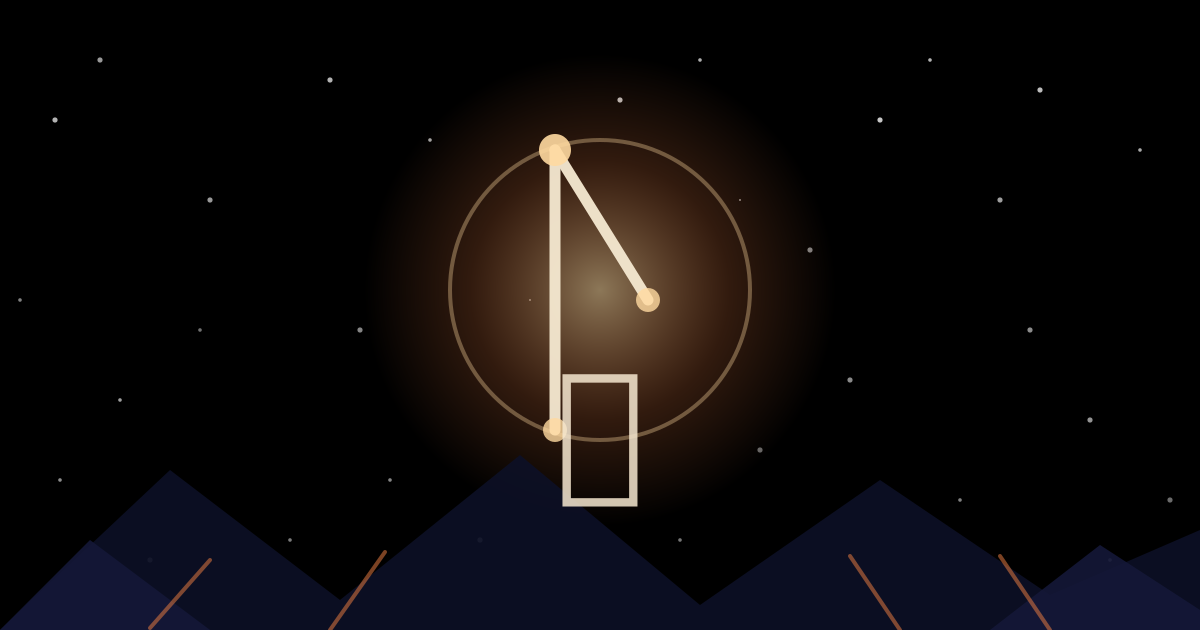
Before the ox was ever yoked to the plow, before strength was domesticated into schedules and strategies, there was the aurochs — the wild ox of the northern forests. Shoulder-high to a tall man, crowned with horns like crescent moons, it was an animal you did not hunt casually. It could outrun horses through the trees and turn on a hunter with the weight of a boulder behind it. For the Germanic peoples, killing one was a rite of passage for young warriors. Uruz (ᚢ) is that animal, carved into a single rune. Its Proto-Germanic name, *ūruz, means exactly what you would expect: "aurochs," "wild ox." When this rune appears in a reading, it does not bring the polite, managed kind of strength. It brings the forest's kind.
Uruz is the second rune of the Elder Futhark, and its placement is no accident. Fehu, the first rune, is wealth — cattle, movable riches, the energy of having. Uruz follows immediately as the power that holds wealth: the strength to earn it, defend it, and work it. Where Fehu is the resource, Uruz is the muscle. Rune readers often describe this pairing as the foundation of the whole futhark — everything after it assumes you have the vitality to get there. Uruz is not strength for show. It is the body's native power, the surge you feel when fear stops negotiating and something older takes over.
Uruz's Core Meaning in Divination
In a casting, Uruz is the signal of untamed power arriving on schedule. The word "untamed" matters. This is not disciplined strength, not the strength of training regimens and to-do lists — it is the raw material those things are made from. Health returning after illness. Energy rising after a long depletion. The sudden ability to do what you could not do last month. Uruz shows up when the body and spirit are remembering what they are capable of, and its message is almost always the same: you are stronger than your current situation allows you to believe.
The rune's second great theme is health and physical vitality. Uruz is the strongest health rune in the Elder Futhark — the rune readers pull when someone is recovering, rebuilding, or finally ready to take their body seriously. It suggests the organism's deep, ancient capacity to repair itself: fevers that break, wounds that close, strength that returns like spring after winter. In this territory, Uruz is encouraging but honest — it marks recovery power, not a medical verdict, and the tradition around it has always paired the rune's promise with the practical work of rest, food, and care.
Uruz also governs challenge as initiation. The aurochs could not be avoided and could not be reasoned with — it had to be met. When Uruz appears, it often marks a situation that will only be resolved by facing it head-on: the difficult conversation, the physical task, the confrontation you have been circling. The rune does not promise the meeting will be gentle. It promises you are equal to it. This is the warrior's reading of the rune — not aggression for its own sake, but the recognition that some doors only open when you push.
The Wild Ox Within: Power Before It Is Shaped
Here is what makes Uruz unique among the runes: it is power before direction. Every other strength in the futhark comes with a job — Thurisaz defends, Tiwaz fights for justice, Sowilo drives toward victory. Uruz just is. It is the battery before it is wired to anything, the river before the dam. Drawing this rune is often a diagnostic: the question is not whether you have power, but whether you have been pointing it anywhere. Unspent strength does not stay neutral. It turns into restlessness, into temper, into the vague exhaustion that comes from fighting yourself all day instead of fighting something real.
The reversed reading makes this explicit. Uruz turned upside down traditionally means blocked or misdirected strength: the ox penned too long and gone sour, power driven past its limits until it breaks, force that has curdled into domination. It is the warning version of the rune — not a curse, but a mechanic's report. Something in the engine is strained. Readers see it when someone is overtraining, overworking, or using strength to control others because they have lost any other outlet for it. The counsel is specific: unyoke the ox. Give the power somewhere real to go, or take the load off entirely and rest.
There is also a subtler shadow worth naming: the romance of brute force. Uruz is so viscerally appealing — raw, honest, animal — that it can be mistaken for the whole of strength. It is not. The aurochs was magnificent, and the aurochs is extinct. Wild power unshaped is magnificent and unsustainable. The mature reading of Uruz treats the wild ox not as the destination but as the fuel: you draw the strength from the wild, and then you aim it. That is why Uruz sits so early in the futhark. It is the starting material. The shaping comes later.
Uruz in Love and Relationships
In love readings, Uruz is the rune of raw attraction — the honest, physical pull between two people that exists before anyone has decided what to call it. It favors directness: saying what you want, wanting what you say, dropping the games and the strategic waiting. Where some runes speak of devotion or companionship, Uruz speaks of appetite: the desire that makes two people cross a room toward each other. A relationship with strong Uruz energy feels alive in the body, not just in the conversation.
For new connections, Uruz's counsel is almost embarrassingly simple: stop performing and start being present. The wild ox does not strategize. It is simply, unmissably there. The rune blesses authenticity over technique — the date where someone is actually themselves, the text that says the real thing — and it warns against the hollow exhaustion of romantic strategy. If the attraction is real, it does not need a campaign. If it is not, no campaign will manufacture it.
In established partnerships, Uruz governs the physical layer of love that couples neglect at their peril. Desire is not a luxury feature of a relationship; it is load-bearing. When Uruz appears here, it usually means the physical connection needs tending — not grand romantic production, but the small, daily signals that keep the wild ox fed: touch, presence, appetite expressed instead of managed. Reversed, the rune warns of the darker side of appetite: possessiveness, jealousy treated as love, strength used to control rather than to hold. The ox can be yoked to plow or driven into a fence. The choice is the relationship's.
Uruz in Career, Money, and Goals
Career-wise, Uruz is the rune of breakthrough effort — the surge that carries a project through the wall it has been battering for months. It favors the bold push: the launch, the pitch, the hard deadline that forces everything into focus. This is not the rune of the careful plan; it is the rune of the decisive move. When Uruz shows up around work, it usually means the planning phase is over and the strength phase has begun. Stop preparing. Start pushing.
The rune is especially strong around physical and entrepreneurial work — anything that rewards stamina, courage, and the willingness to do the hard thing first. Building a business from nothing, working a trade, farming, athletics, emergency work: Uruz is at home in all of it. It also favors the career pivot that scares you. The wild ox does not change direction by committee. If you have been waiting for permission to make the bold move, Uruz is the tradition's way of saying the permission was always yours to grant.
With money, Uruz is the rune of earned wealth through force of effort — the bonus secured by the impossible quarter, the side business built on weekends, the debt attacked instead of managed. It favors bold financial moves backed by real work over clever schemes backed by hope. But the rune's wildness is a warning here, too: the ox charges. Reversed Uruz around money means reckless force — the gamble dressed up as courage, the spending that is really a dominance display, the business pushed past its limits. Strength without strategy spends itself. The question Uruz asks of money is always the same: is this power, or is it just noise?
For goals of any kind, Uruz offers the wild ox's method: find the one heavy thing and move it. Most stalled goals are not blocked by everything; they are blocked by one enormous, frightening task that everything else has been organized to avoid. Uruz does not believe in rearranging the smaller stones. It puts its head down and charges the boulder. Readers use this rune as a diagnostic — when it appears, ask what the one heavy thing is. You already know the answer. The rune is telling you that you are strong enough to move it.
The Mythology Behind Uruz: The Aurochs of the Northern Forests
The rune poems give Uruz one of the most vivid portraits in the tradition. The Anglo-Saxon rune poem calls ur "proud-horned" and "a very fierce fighter," describing how the aurochs ranges through the moors and fights with its horns — "a great courageous animal." The Old Norwegian poem is shorter and stranger: "dross comes from bad iron," linking the rune to slag and the refining of metal — the dross burned away by fire. The Icelandic poem agrees: "clouds are the weeping of the shower," and ur is "slag from iron." The two images together — the fierce beast and the purified metal — are the rune's whole meaning in miniature: raw power, refined by fire, with the waste burned out of it.
The aurochs itself was a real animal, and a staggering one: Bos primigenius, standing up to six feet at the shoulder, with horns that could span several feet tip to tip. Julius Caesar wrote about Germanic hunters who killed aurochs in pits and displayed the horns as trophies — the young men proved themselves against the beast before they were counted as warriors. The aurochs survived into the age of printing presses and muskets, growing rarer as the forests fell, until the last known cow died in a Polish forest in 1627. Every domestic cow alive today carries its genes. The wild ox is extinct, but it never left.
That history is why Uruz carries the weight it does. This is not a symbolic animal invented for poetry — it was the most dangerous creature the rune-carvers' ancestors knew, and the name survived in the landscape: "Oxford" is the ox ford, and the German city of Aurich likely carries the aurochs in its name. To draw Uruz was to invoke something the reader's grandparents might have actually seen crashing through the trees. The rune's power comes from that reality. It does not need to be explained. The forest already explained it.
And the Norse refining image — the dross burned out of iron — completes the picture. The aurochs was not strength as decoration. It was strength as process: the fierce thing that, met honestly, purifies. Fire does not negotiate with slag. It burns it away. Uruz in this reading is the forge rune — the encounter with raw power that leaves you with less waste and more metal. That is the rune's oldest promise: face the wild thing, and come out cleaner.
How to Work With Uruz: A Simple Practice
Uruz is a body rune, so its practices live in the body. The simplest is the ox stance: stand with feet planted wide, knees soft, spine long, and breathe low into the belly for two minutes — not thinking about strength, just occupying your full size. People who live in their heads shrink without noticing. The stance reverses that. Do it before the hard conversation, the heavy lift, the presentation. It is not a trick. It is a reminder of the animal you are.
For a deeper practice, try the heavy thing ritual. Name the one enormous task you have been avoiding — write it on paper in plain words — and then do the smallest real version of it within 24 hours. Not planning it, not researching it: the first physical move. Send the email. Lift the first box. Make the first call. Uruz's method is momentum through contact. The wild ox does not believe in the boulder until it has touched it. Neither should you.
The rune also rewards the practice of honest exertion: one activity per week that demands your full physical strength — the hard hike, the heavy workout, the demanding project, the long day of real labor. Modern life is brilliant at keeping strength theoretical. Uruz wants it actual. People who practice honest exertion report a strange effect: the rest of their strength gets easier to access. The ox, once exercised, remembers how to pull. Keep a simple log — what you did, how it felt — and watch the rune's territory expand from the gym or the field into the rest of your life.
Uruz and the Other Runes
Uruz reads best in company, and its neighbors tell you what the strength is for. Beside Fehu, its first-aett partner, the pairing is the foundation of the futhark itself: wealth plus the power to hold and work it — the complete picture of earned abundance. With Thurisaz, the strength takes on a defensive edge: the ox with the thorn, raw power channeled into sacred protection, the fighter who only fights when the boundary is crossed.
Near Isa, the ice rune, the wild ox is frozen in place — strength banked but unusable, the classic reading of power in hibernation, waiting for the thaw. With Kenaz, the torch, the raw power finds its forge: the smith's fire shaping the wild metal, creativity giving the ox's strength a direction and a craft. And beside Sowilo, the sun rune of victory, the pairing is one of the most purely positive in the row: unstoppable vitality aimed at a visible triumph, the charge that reaches its target.
As always, treat the runes as a tradition of reflection and storytelling, not a source of guarantees — entertainment and insight, never certainty. Approach Uruz with respect for its Norse roots and its central invitation, and let the wild-ox rune do what it has done for centuries: remind you that the strength is real, it is yours, and it is waiting to be aimed.
Frequently asked questions
What does the Uruz rune mean?
Uruz (ᚢ), the second rune of the Elder Futhark, means the wild ox — the aurochs. It is the rune of raw strength, primal vitality, physical health, and untamed life force: power in its natural state, before it is shaped, spent, or broken. Drawing Uruz signals that you have more strength available than you are using.
Can Uruz be reversed?
Yes. Reversed, Uruz traditionally means blocked or misdirected strength: exhaustion, illness from overwork, raw power turned destructive, or domination instead of vitality. It is the wild ox penned too long or driven too hard — warning that force without direction damages the wielder as well as the target.
What does Uruz mean in love?
In love readings, Uruz is the rune of raw attraction and physical vitality — passion, desire, and the honest pull of the body. It favors directness over games and warns that a relationship starved of physical connection or honest appetite is running on empty. Reversed, it can signal possessiveness or a power imbalance.
Is Uruz a good rune for health?
Uruz is considered the strongest health rune in the Elder Futhark — the rune of the body's raw recovery power and physical vitality. It suggests the body knows how to heal itself and that energy is returning. Reversed, it warns against burning out: rest is part of strength, not its opposite. Uruz reflects tradition and encouragement, not medical advice.
What is the difference between Uruz and Thurisaz?
Uruz and Thurisaz are both power runes, but their power is different in kind. Uruz is the wild ox — life force, stamina, and raw vitality, the body's strength. Thurisaz is the thorn — defensive, reactive power, the giant's challenge and sacred boundary. Uruz is the engine; Thurisaz is the weapon.
Keep exploring
Fehu Rune Meaning: Wealth, Abundance & New Beginnings
Fehu, the first rune of the Elder Futhark, means wealth, abundance and new beginnings. Discover its meanings for love, career, money and spiritual growth.
Read the meaning →
Thurisaz Rune Meaning: The Giant's Thorn, Protection & Sacred Defense
Thurisaz (ᚦ) is the Elder Futhark rune of the giant, the thorn, and Thor's hammer — power, sacred defense, and the courage to face what frightens you.
Read the meaning →
Sowilo Rune Meaning: Victory, the Sun & Unstoppable Energy
Sowilo (ᛊ) is the Elder Futhark rune of the sun, victory and unstoppable life force — one of the most purely positive runes. Learn its meanings in readings, love, career and daily practice.
Read the meaning →
Algiz Rune Meaning: Protection, Intuition & Spiritual Defense
Algiz is the Elder Futhark rune of protection, intuition and spiritual defense. Learn its meanings in readings, love, career and daily protective practice.
Read the meaning →