
Cat Symbol in Tea Leaves: Independence, Intuition & What It Means
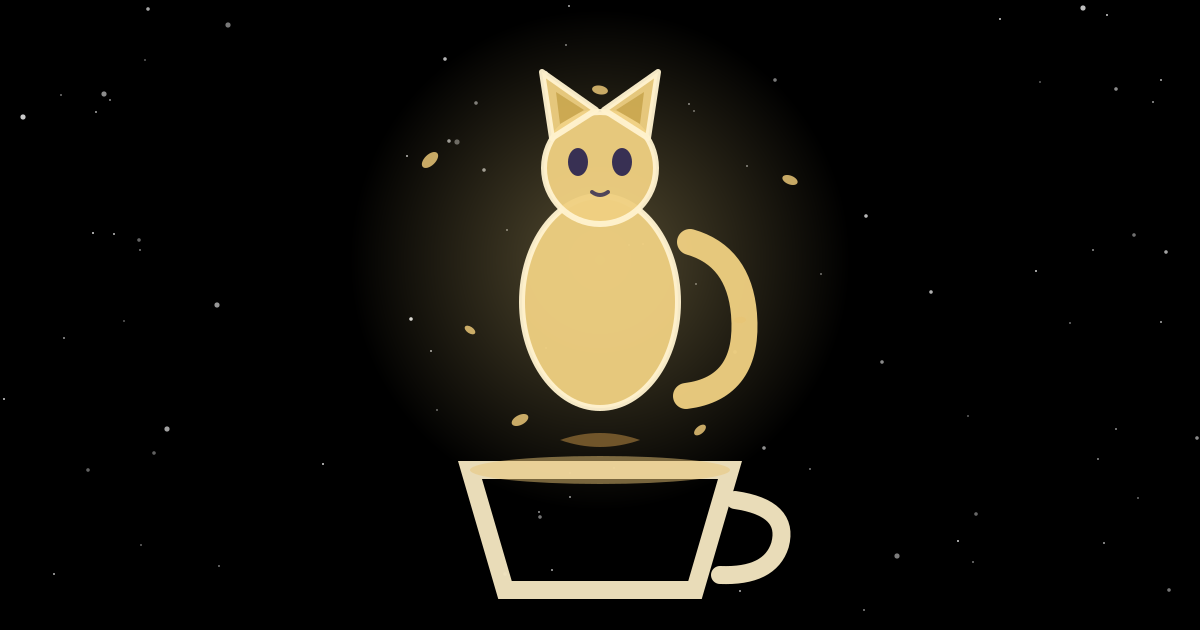
Of all the animals that wander through the tea leaves, the cat is the one that refuses to be hurried. It arrives in your cup the way cats arrive everywhere — on its own schedule, unimpressed by the noise, watching everything with those half-lidded eyes. Ancient Egyptians worshipped cats as guardians of the home and the afterlife; sailors carried them aboard for luck; witches of folklore were said to see through their eyes. Across every tradition, the cat has meant the same three things: the power of the independent spirit, the wisdom of instinct over noise, and the mystery of what moves unseen. When the leaves settle into pointed ears and a curling tail at the bottom of your cup, the reading is about your relationship with your own inner knowing.
This guide covers everything the cat can tell you: its core meaning in tasseography, how the cat's posture and details refine the message, how position reveals timing, the combinations that show exactly where independence and intuition matter most in your life, and what to do once the leaves have shown you their cat.
The Core Meaning: Independence, Intuition, Mystery
At its simplest, a cat means trust yourself and keep your own counsel. Where the dog promises loyalty and the bird promises news, the cat promises self-reliance — the reminder that you are more capable alone than you have been acting, that the answer you keep asking others for is sitting quietly inside you. Readers of the classic tasseography texts describe the cat as the symbol of the independent spirit: the part of you that does not need permission, applause, or a committee to make the right call.
The second traditional meaning is intuition and inner sight. Cats see in the dark — literally — and the cup borrows that gift as metaphor: the cat appears when you need to trust what you sense beneath the surface. The hunch you have been dismissing, the feeling about a person or situation that has no evidence yet, the dream that keeps returning: the cat is tasseography's way of saying your instincts are the evidence. Night-seeing animals in the cup are always about perception, and the cat is the keenest of them.
The third is mystery and the hidden: things moving out of sight, the not-yet-known, a layer of the situation you haven't seen. This is not the frightening kind of mystery — the cat is a guardian as much as a riddler — but it asks for patience and observation rather than rushing. A cat in the cup can also mean feminine energy and grace under pressure: the composed, unbothered, land-on-your-feet quality that handles chaos without raising its voice. And in the protective sense, cats have long been read as household guardians — the cup's quiet promise that your home, your peace, or your plans are being watched over.
Reading the Cat's Posture and Details
Cats speak in body language, and the leaves borrow the whole vocabulary. A sitting cat, upright and calm is the classic form: self-assurance, dignity, patience — the reading of someone who knows their worth and isn't performing it. A cat lying down or curled up means rest and contentment: comfort arriving, a peaceful stretch ahead, permission to stop striving and simply enjoy what you have built. The curled cat is one of the gentlest signs in the cup.
Watch the tail. A cat with its tail raised high is the confident form — openness, friendliness, good fortune approaching without apology; you can walk in upright and expect a warm reception. A cat with its tail curled around its body means self-protection and discretion: keep your plans close, choose who gets access to you, guard your energy. A cat with a puffed or lashing tail is the agitated form — irritation in the air, someone's patience wearing thin (possibly yours): the cup suggests giving the situation room before it scratches.
Special forms carry their own weight. A cat's face alone, especially the eyes, is the pure intuition reading: watchfulness, perception, seeing through pretense — someone's true nature becoming visible to you. A cat washing its face is a charming traditional sign: visitors coming, or a social occasion on the way — the old folk belief that a cat washing means company is coming survives in the cup. A cat mid-pounce or stalking means opportunity requiring stealth: move quietly, don't announce your plans, let the moment come to you. Two cats together traditionally point to a relationship dynamic — independence meeting independence: a partnership of equals, or two strong wills circling each other. And kittens soften everything: playfulness, new beginnings, a fresh affection or project in its adorable early days — handle with gentleness.
Position: Where It Sits and What It Says About Timing
As with every symbol, position shapes the cat's message. Near the rim, close to the handle: the message is personal and imminent — your own independence asserting itself, a boundary you need to set right now, an instinct about your own life demanding trust. The cat is guarding your side of the cup, and the change is already in your immediate orbit. Near the rim, far from the handle: someone else's independence affecting you — a person who keeps their own counsel, a situation where another's self-reliance (or secrecy) shapes what happens next.
In the middle band: the themes developing over the coming weeks to months — intuition strengthening, a gradual reclaiming of your autonomy, a mystery slowly revealing itself. This is the "watch and wait" position: the cat is telling you not to force the reveal. At the bottom of the cup: the deepest reading — a foundational shift in how you trust yourself: a long season of depending on others' opinions ending, or a hidden truth that reorders your understanding once it surfaces. The cat at the bottom speaks of the kind of self-knowledge you will look back on in five years.
Direction matters with cats more than most symbols. A cat facing the handle looks toward you — its message is yours to act on: your instincts, your boundaries, your move. A cat facing away suggests the mystery lies elsewhere — someone else's motives, a situation you can't see into yet: observe more, assume less. A cat walking toward the rim means the hidden thing is surfacing — the truth, the opportunity, or the person emerging into view. A cat walking toward the bottom means it is retreating — let it go: not every mystery needs solving, and some answers arrive only when you stop chasing them.
Cat Combinations: Reading the Neighbors
Cats gain their finest detail from the symbols around them. Cat + moon: intuition doubled — the night-seer with the night's own light: trust your dreams, your hunches, and what you sense after dark; this is the cup's strongest "your instincts are right" pairing. Cat + key: the hidden answer — a secret unlocking, the missing piece surfacing from where you weren't looking.
Cat + house: the guardian at home — protection over your household, or independence expressed through your living space: the move, the renovation, the boundary that makes home feel like yours again. Cat + bird: news about independence — word of an opportunity that frees you, or a message from someone who values their freedom as much as you value yours. Cat + fish: quiet abundance — prosperity arriving without fanfare: the kind of good fortune that doesn't announce itself but changes everything.
Cat + heart: love on your own terms — affection that respects your autonomy: the relationship that gives you room, or the reminder that you can be devoted without disappearing into someone else. Cat + crown: self-made recognition — success earned independently, respect that came because you refused to bend. Cat + star: guided independence — your self-reliance blessed and lit: the path you walk alone is the right one, and the light is with you.
The cautionary pairings deserve equal attention. Cat + snake: hidden motives — someone not showing their true face: watch, don't confront yet. Cat + spider's web or tangled lines: a situation more complicated than it looks — the independent path has strings attached: read the fine print of whatever looks like freedom. A hissing or fighting cat: defensiveness in the air — an argument where everyone's guard is up, or a warning that someone near you is not what they seem. The cup's advice: stay observant, stay dignified, and don't get drawn into the scratching.
The Cat in Different Questions
The cat adapts beautifully to whatever you asked. In a career question, it is the freelancer's and the leader's symbol: trust your professional instincts, don't wait for permission, protect your ideas until they're ready. A cat with a crown doubles this — recognition for work that was entirely yours. In a love question, the cat asks about autonomy within affection — the relationship that lets you stay yourself, or the nudge that you've been bending too far to keep someone: love should have room for two whole people.
In a finance question, the cat counsels quiet self-reliance — manage your own money wisely, don't broadcast your plans, and be wary of anyone eager to handle your resources for you. Watch for the companions: cat with fish suggests prosperity building steadily; cat with tangled lines suggests hidden costs. In a family question, the cat is the guardian of the household's peace — an independent streak in the family (yours or a loved one's) that needs respecting rather than fixing, or your role as the calm center others orbit.
In a well-being reading, the cat speaks of rest and self-trust — the permission to nap like a cat: deep, unapologetic rest as medicine. It also points to listening to your body's signals the way a cat listens to everything: the tension you've been ignoring, the exhaustion you've been overriding. This is reflection and encouragement, not diagnosis or medical guidance: the cup offers the image of the animal that never apologizes for its needs, and suggests you borrow its example.
When the Cat Looks Troubled
Sometimes the cat arrives in a worried form, and it's worth knowing the difference between "trust yourself" and "watch yourself." A hissing cat with arched back is the commonest troubled form — defensiveness, yours or someone else's: boundaries being tested, hackles up. The remedy is the cat's own: don't escalate, hold your ground with dignity, and let the threat pass — arched backs lower when the danger does.
A cat with its back turned, walking away can mean an opportunity or affection withdrawing — not necessarily lost, but no longer pursuing you: the cup asks whether you've been taking something independent-spirited for granted. A scrawny or neglected-looking cat suggests your own independence is underfed — the part of you that needs solitude, self-trust, or simply your own company has been starved by other people's demands. Feed it: take the evening alone, make the decision without polling anyone, remember who you are when no one needs anything.
A cat fighting or tangled with another animal means conflict between independence and obligation — the tug between what you want and what's expected: the reading asks you to name the real conflict instead of scratching at its edges. And if you asked for guidance and found no cat at all, look for its quieter cousins: the owl (the other night-seer), the moon (intuition's light), the key (the hidden answer), or the mirror (the self you need to consult). Sometimes the cup answers with the question rather than the animal — or suggests that this season is for trusting without proof, and the cat will stroll in when it's ready.
What to Do After Finding a Cat
A cat is a way of being, not a destination — and the best response is the feline one: get quiet, get observant, and act on your own timing. If the reading suggests independence, reclaim one decision that isn't really yours anymore: the choice you've been outsourcing, the boundary you've been softening, the "yes" that should have been a "let me think about it." Cats don't explain their boundaries — they simply have them.
If the cat speaks of intuition, do the listening work: sit with the hunch you've been dismissing, write down the dream that keeps returning, notice what your body says before your mind edits it. Instinct is a sense, and senses sharpen with use. And if the cat arrived in a troubled form — hissing, retreating, scrawny — do the dignified work of the cat itself: don't chase what's walking away, don't fight what's only posturing, and feed the neglected independence with real solitude and self-trust.
Many readers mark a cat finding with a small ritual of stillness: sitting quietly for ten minutes the way a cat sits — alert, unhurried, watching without grasping — or spending an evening entirely on your own terms as an offering to your independent spirit. However you honor it, let the cat remind you of tasseography's most self-possessed truth: you were born knowing how to land on your feet — and right now, the cup is asking you to remember it.
Frequently asked questions
What does a cat in tea leaves mean?
A cat in tea leaves traditionally means independence, intuition, and mystery. It is the cup's reminder to trust your own instincts, protect your boundaries, and move quietly toward what you want. A relaxed cat suggests contentment and self-sufficiency on the way; the reading centers on your relationship with your own inner knowing.
Is a cat in tea leaves good luck or bad luck?
A cat is generally a positive, protective symbol in tasseography — linked to independence rewarded, spiritual insight, and quiet good fortune. A calm, sitting cat is a happy sign of comfort and self-assurance. Only a hissing, arched, or fighting cat turns the reading cautionary, warning of deception nearby or a situation that needs your guard up.
What does a cat near the handle mean in tea leaves?
The handle represents you, so a cat near it is a personal message about your own independence and boundaries. It traditionally means: trust your gut on something close to home, keep your own counsel for a while, and don't let anyone rush a decision that belongs to you alone. The cat is guarding your side of the cup.
What does a black cat mean in tea leaves?
In tasseography, a black cat is not the bad omen of street folklore — it means mystery, protection, and the unseen working in your favor. It traditionally points to hidden knowledge, a secret ally, or a situation where more is happening beneath the surface than you can see. Some readers take it as a nudge to look deeper before you decide.
What does a cat with its tail up mean in tea leaves?
A cat with its tail raised high is the confident form: openness, self-assurance, and good fortune approaching without apology. In cat body language a raised tail means friendliness and confidence, and the cup reads it the same way — a sign that you can walk in upright, be seen, and expect a warm reception.
Keep exploring

Tea Leaf Symbols Dictionary: 40+ Meanings from Anchor to Star
From anchor to star: explore 40+ classic tea leaf symbols and their traditional tasseography meanings, covering love, fortune, travel, caution and animals.
Read the meaning →
How to Read Tea Leaves: A Beginner's Step-by-Step Guide
Learn tea leaf reading step by step: choosing the right tea and cup, brewing with intention, swirling, inverting and interpreting the symbols left behind.
Read the meaning →
Moon Symbol in Tea Leaves: Intuition, Emotions & What It Means
Spot a moon in your tea leaves? Discover its tasseography meaning — intuition, emotions, and hidden truths coming to light — plus crescent vs. full moon forms, position timing, moon combinations, and what to do next.
Read the meaning →
Star Symbol in Tea Leaves: Hope, Guidance & What It Means
Spot a star in your tea leaves? Discover its tasseography meaning — hope, guidance, and good fortune — plus position timing, star combinations, and what to do next.
Read the meaning →