
Red Jasper Meaning: The Stone of Endurance & Grounded Strength
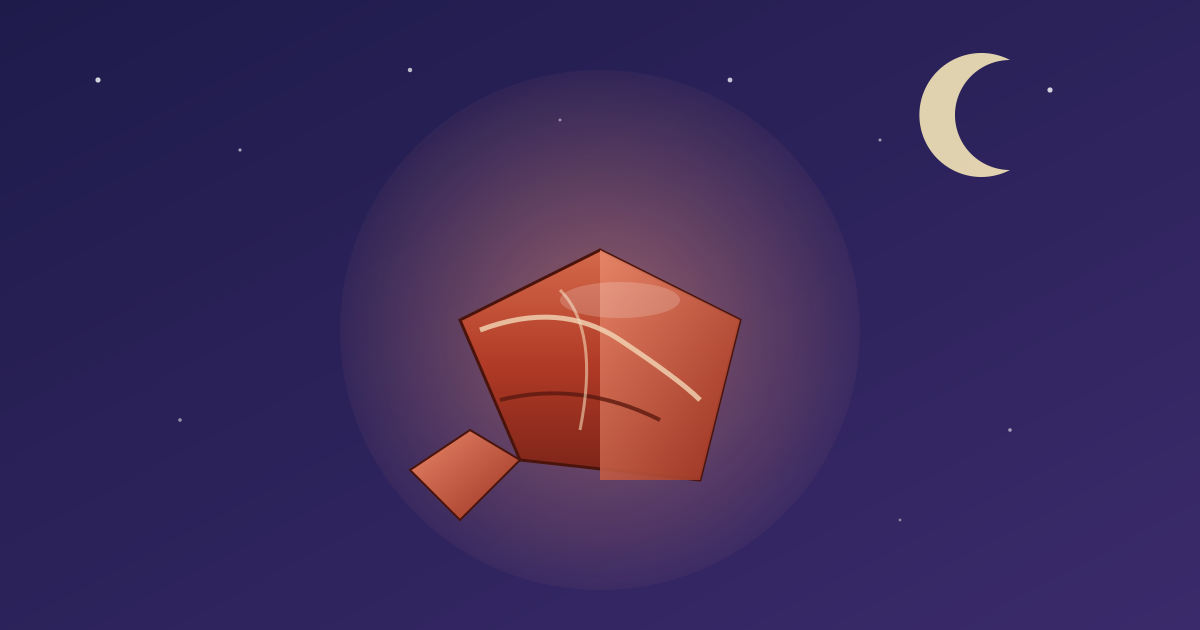
The Brick-Red Stone That Refuses to Quit
Red jasper does not sparkle. It does not glow, shimmer, or catch the light like quartz or amethyst. It sits in the palm, heavy, matte, and brick-red — the color of desert earth, fired clay, and old brick walls — and it looks exactly like what it is: a stone that has survived. That plainness is the point. Where other crystals promise transformation, red jasper promises something humbler and rarer: the ability to keep going. It is the stone of the long middle of things — the marathon training, the difficult year, the project that refuses to finish, the recovery that takes months instead of days.
The name jasper comes from the Greek iaspis, meaning spotted stone, and red jasper is an opaque variety of chalcedony colored by iron oxide — the same mineral that rusts iron and reddens desert sand. It has been carved, carried, and worn for thousands of years: ancient Egyptians set it into amulets, Greek and Roman soldiers carried it as a talisman, and medieval Christians carved it into seals and devotional objects. Across all those centuries, the reputation never changed. Red jasper was the stone you reached for when you needed to endure.
As with all crystal content here, the framing is honest: everything below is spiritual and cultural tradition — belief, symbolism, and ritual — not medicine, not a treatment for fatigue or illness, and not a substitute for rest, medical care, or professional support. Red jasper will not cure exhaustion, win a battle, or make a hard season pass faster. What it does, genuinely and reliably, is give persistence a red, tactile anchor — and rituals, done consistently, change behavior. The stone is the reminder; the endurance is yours.
What Red Jasper Represents
Red jasper's symbolism follows directly from its color and its weight — earth-red, dense, and unshowy. The tradition clusters around four themes:
- Endurance and stamina: the signature meaning — the stone of sustained effort. Practitioners use red jasper to pace themselves through long projects, demanding jobs, and slow recoveries, one steady day at a time.
- Grounding and stability: the brick-red of red jasper is read as the earth's own color, and the stone is the classic grounding stone — the one that pulls scattered energy back down into the body, the breath, and the present task.
- Quiet courage: not the dramatic, charge-into-battle kind, but the everyday kind — saying the hard thing, starting again after a setback, showing up on the days when motivation has left the building. Red jasper is the stone of courage as a habit, not a moment.
- Physical vitality and protection: in old lore, red jasper was carried for strength of body and steadiness of nerve — a warrior's stone, a traveler's stone, a stone for people whose work asks a lot of their bodies. Modern practitioners read that as a reminder to eat, sleep, and rest properly: stamina is a practice, not a purchase.
The through-line is steadiness under load. Carnelian sparks creative fire; hematite deflects negativity; red jasper simply holds. In a collection, it is the foundation stone — the one you reach for when the question is not how to begin, but how to continue.
Red Jasper for Endurance: The Practice That Actually Works
Endurance is the most common reason people seek out red jasper, and also the easiest to misunderstand. The tradition is clear on one point that every athlete and every exhausted caregiver already knows: endurance is not pushing harder. It is pacing — knowing when to rest, when to push, and when to ask for help, so that you are still standing at the end of the season. The stone does not make that decision for you — but a ritual built around it can make the decision visible.
The ritual practitioners swear by is called the morning anchor: hold a red jasper tumbled stone, name the one thing today actually requires, and name the one thing you will deliberately not do. Then set the stone on your desk or in your pocket, where your fingers will find it through the day. Each time you touch it, you check in: am I spending today's energy on the thing I named, or has the day pulled me sideways? At night, the stone goes back on the nightstand, and you note — honestly, in one sentence — whether the day held. The stone does not enforce the plan. It marks the moment you made one, which is where all endurance work actually begins.
Why does a red stone help where willpower failed? Because it externalizes the pace. Trying to endure by thinking harder about enduring usually means white-knuckling through the day until you crash. A ritual gives the effort somewhere to land: hands holding a stone, one named priority, a pocket check-in at noon. The mechanism is the same one behind runners' mile markers and writers' daily word counts — the body learns the rhythm before the mind fully believes it. Red jasper does not remove the hard season. It marks the days you kept going through it, which is where all stamina is actually built. That distinction is the whole game: do not wait to feel strong. Make the stone the reminder that strength is a schedule, not a feeling.
A practical layout practitioners use: red jasper on the desk for work stamina, hematite nearby for grounding when stress spikes, and clear quartz for clarity when the priority itself gets fuzzy. Some keep a small red jasper piece in a coat pocket on days they expect a long haul — not as a charm, but as a daily nudge every time fingers find it: one thing, one step, one day.
Red Jasper and the Root Chakra: Strength From the Ground Up
In chakra tradition, red jasper is the stone of Muladhara — the root chakra, located at the base of the spine, associated with safety, stability, survival, and physical vitality. While the heart chakra is about connection and the throat chakra about expression, the root chakra is about foundation: the part of you that needs to feel safe enough, fed enough, and rested enough to do anything else at all.
The classic practice: sit with feet flat on the floor, place a red jasper palm stone in your lap or between your feet, breathe slowly into the belly for ten minutes, and picture your weight settling downward — feet on the floor, spine supported, body held by the ground. Many practitioners journal immediately afterward, treating the session as a way to hear what the body actually needs beneath the noise of deadlines and worry: sleep, food, a walk, a boundary. Whether you read that as chakra work or as ten quiet minutes of body-aware rest, the practical payoff is reported by everyone who tries it: you arrive at the next task already grounded, and less likely to spend the day running on adrenaline.
People in demanding physical roles — nurses on long shifts, builders, athletes in training, parents of small children — use red jasper specifically against the feeling of running on empty. The ritual: hold the stone at the end of the day and name three things the body did today and one thing it needs tomorrow. The naming rebalances what the day drained. Keep red jasper in the bedroom rather than the office if your work is physical labor; the stone belongs where you recover, not only where you spend.
One honest caveat from experienced practitioners: red jasper's energy reads as steadying, not stimulating. It will not give you a burst of energy like a strong coffee, and it should never be used as a reason to push through genuine exhaustion or illness. If the body is asking for rest, the stone's job is to remind you to take it. A stone is a companion for reflection, never a replacement for care.
Red Jasper Through History: Warriors, Amulets, and the Earth Itself
Few stones have so practical and so ancient a history:
- Ancient Egypt: red jasper was carved into amulets and set into jewelry, associated with the blood of Isis and with protection in life and in the afterlife. The stone's red was the color of life-force itself.
- Greek and Roman soldiers: warriors carried red jasper as a talisman of courage and stamina, and it was engraved with protective symbols and worn into battle. The lore is unproven, but the instinct behind it is recognizable: when the work is hard and dangerous, you carry something solid.
- Medieval seals and devotion: red jasper was carved into seals, rings, and devotional objects across Europe, valued for its hardness, its even color, and its willingness to take a fine polish. A stone that sealed documents and marked prayers: red jasper has always lived at both scales.
- Modern sources: today red jasper is mined in India, Brazil, Madagascar, Russia, and the United States, and it remains one of the most affordable stones in any collection. It stays honest in price, which keeps it honest in reputation: a working person's stone, not a luxury.
Red jasper also has a serious mineral identity: it is a microcrystalline quartz colored by iron oxide, and its brick-red comes from the same iron that reddens soil and rusts steel. The stone is literally colored by the element of the earth itself. Red, dense, and unglamorous: that is a biography worth owning.
How Practitioners Actually Use Red Jasper
Beyond the morning anchor, red jasper shows up in daily practice in a handful of well-worn ways:
- The desk stone: a palm stone or tumbled piece beside the keyboard for sustained focus — the stone that marks the working day and reminds you to pace it.
- The pocket stone: a small tumbled piece carried on demanding days, found by fingers during meetings, commutes, and long waits — a grounding check-in that takes one second.
- The doorway stone: a larger piece near the front door as a symbol of a grounded home — tradition says the house itself should feel rooted, not only its people.
- The garden stone: some practitioners place red jasper in plant pots or garden beds, as a symbol of rooted growth — the stone that reminds a garden, and its keeper, that growth is slow work.
- Crystal grids for stamina: a grid with red jasper at the center, hematite for grounding, and clear quartz points radiating outward (traditionally amplifying the intention). Set it at the start of a demanding season, dismantle it when the season turns. The grid is a calendar with resolve.
Pairings practitioners love: red jasper with hematite (the grounding duo — earth-red plus iron-grey, the steadiest pair in the collection), red jasper with carnelian (the stamina-and-spark pairing — endurance plus creative fire), and red jasper with clear quartz (the clarity pairing — staying power plus clear priorities). Keep the palette honest: red stones together feel like a long road at dawn, which is rather the point.
Cleansing, Charging, and Caring for Red Jasper
Red jasper is a hard, forgiving stone with straightforward care:
- Cleaning: wipe with a soft, damp cloth and dry promptly. A brief rinse is fine, but do not soak it for hours, and keep it away from salt water, harsh cleaners, and ultrasonic cleaners, which can damage the polish.
- Smoke and sound: a pass through incense smoke or a singing bowl nearby is the classic cleanse — no water involved, no risk to the stone.
- Moonlight: overnight on a dry windowsill is traditional, and safe as long as the sill stays dry; red jasper's color is stable in light, unlike some pink stones that fade.
- Selenite: resting on a selenite plate overnight is the classic hands-off cleanse — and it keeps the stone dry.
Care notes: red jasper rates 6.5 to 7 on the Mohs scale — harder than glass, harder than most stones in a collection — so it can scratch softer stones. Store it wrapped or in its own pouch, away from softer pieces like selenite and calcite, and take bracelets off before heavy manual work. The earthy veining and mottling are natural and not flaws; pieces with rich, even brick-red color and subtle cream veining are often the most valued.
Spotting Real Red Jasper (and Telling It From Carnelian)
Red jasper is affordable, so outright fakes are uncommon — but confusion with its red cousins is the whole story, and buyers should know the differences:
- The carnelian test: carnelian is translucent to semi-transparent and glows orange-red when held to the light; red jasper is opaque and stays solid and earthy, with no light passing through the edges. If it glows, it is carnelian.
- The dyed-stone test: dyed red stones — often dyed agate or howlite sold as jasper — show unnaturally even, bright-red color with no earthy mottling, and the dye may concentrate in cracks. Real red jasper's red varies across the piece, from brick to rust to deep maroon, with natural veining.
- The brecciated jasper test: brecciated jasper is red jasper broken and re-cemented with hematite, showing angular red fragments in a dark matrix — a beautiful stone, but a different one. True red jasper is more uniform, with soft veining rather than sharp fragments.
- Fake red jasper: resin or plastic imitations feel warm and light, lack the cool, dense weight of real stone, and show mold seams or bubbles. Real red jasper feels cool, solid, and mineral in the hand.
Price is a reliable guide: a tumbled red jasper stone for a few dollars is honest, and even a fine carved piece is affordable next to precious gems. Anyone selling red jasper at luxury prices is selling a story, not a stone. The brick-red piece should cost you pocket change, not a fortune — it is the reminder that endurance is built day by day, not bought in a single grand gesture.
Buying Red Jasper Without Overpaying
- Start with tumbled stones: the classic entry — a few dollars, pocket-sized, and the perfect morning-anchor stone. Buy three: desk, pocket, and one to gift to someone in a long, hard season.
- Look for rich, even color: hold candidates to the light. The best red jasper shows a warm, even brick-red with subtle cream or brown veining that wanders rather than blotches. Very pale or greyish pieces are still jasper, but the red is the quality marker.
- Choose your form honestly: palm stones (the meditation piece), tumbled stones (pocket-friendly), bracelets (daily wear), and carved hearts or spheres (the gift piece). The form that draws you is the form for you — tradition says the stone chooses the person.
- Check for damage: inspect edges for chips and faces for dull patches before buying, and ask how the piece was stored — damp shop storage dulls any stone's polish over time.
- Bracelets and pendants: for daily wear, check that settings hold the stone firmly and that beads are well-polished (no rough spots that snag). A red jasper bead bracelet is the classic everyday piece.
Red jasper is the people's endurance stone — beautiful, historic, and honest in price. Anyone selling it at luxury prices is selling a story, not a stone. The brick-red piece should not cost you an arm and a leg; it should sit on your desk and get you to pace yourself through the long middle of things.
Closing: The Stone That Stays
Red jasper endures — in Egyptian amulets and soldiers' pouches, in medieval seals and modern pockets — because it answers a permanent human need: the need to keep going when the beginning's excitement is gone and the end is not yet in sight. Not to rush, not to quit — to pace, to rest, and to return. Every finished thing in the world was once an unfinished thing carried through its long middle, and the distance between those two states is the whole of human endeavor. Red jasper is a small brick-red stone that marks the staying.
So put it on the desk tomorrow morning. Hold it, name the one thing the day requires, and name the one thing you will not do. Then keep going, because stamina is the only spell that has ever worked. The stone will sit there, red and earthy, witnessing the one thing endurance always needed: you, showing up again.
The stone does not carry you. It reminds you that you can carry on.
Frequently asked questions
What is red jasper good for spiritually?
In crystal tradition, red jasper is the stone of endurance and grounded strength — used to steady the nerves, sustain energy through long efforts, and keep you rooted when life gets chaotic. Practitioners carry it during demanding weeks, place it at the base of the spine during meditation, or keep it on a desk as a symbol of stamina and quiet courage. Everything here is spiritual and cultural tradition, not science: the practical value is the ritual — a brick-red stone that reminds you to breathe, plant your feet, and take the next step.
Which chakra is red jasper associated with?
Red jasper is traditionally linked to the root chakra (Muladhara), the center of safety, stability, and physical vitality at the base of the spine. Its deep red color ties it to the root in crystal lore, and practitioners place it near the feet or the base of the spine during grounding meditation. Some traditions also connect it to the sacral chakra for physical energy and creative stamina.
Can red jasper go in water?
Red jasper is a hard, dense quartz-family stone (Mohs 6.5 to 7), so a brief rinse under running water is generally considered safe. Avoid prolonged soaking, salt water, and harsh cleaners, which can dull the polish over time. Dry it promptly with a soft cloth, and cleanse it with moonlight, smoke, or sound if you prefer a water-free method.
What is the difference between red jasper and carnelian?
Red jasper and carnelian are both red-orange stones, but they differ in look and feel. Red jasper is opaque, matte to softly polished, and brick-red with earthy veining or mottling. Carnelian is translucent to semi-transparent, glassier, and glows orange-red when held to the light. If light passes through the edges, it is almost certainly carnelian; if it stays solid and earthy, it is jasper.
Where should I place red jasper in my home?
Tradition places red jasper where steadiness is needed: near the front door as a symbol of a grounded home, on a work desk for sustained focus, or beside the bed for restful, rooted sleep. Many practitioners keep a piece in a pocket or bag on demanding days, or at the entrance of a room where difficult conversations happen. The honest mechanism is the cue: a red stone in view reminds you to slow down, stand firm, and keep going.
Keep exploring

Hematite Meaning: The Stone of Grounding & Protection
Hematite meaning & uses: the metallic grey stone of grounding, protection & calm focus. History, root chakra practices, buying, cleansing & care — an honest guide.
Read the meaning →
Carnelian Meaning: The Stone of Motivation & Creative Fire
Carnelian meaning & uses: the fiery orange stone of motivation, creativity & confidence. Momentum rituals, sacral chakra practices, buying, cleansing & care — an honest guide.
Read the meaning →
Black Tourmaline Meaning: The Stone of Protection & Grounding
Black tourmaline meaning & uses: the black stone of protection, grounding & calm boundaries. History, root chakra practices, buying, cleansing & care — an honest guide.
Read the meaning →
How to Cleanse and Charge Crystals: Complete Guide
How to cleanse and charge crystals: water, smoke, moonlight, sound & selenite methods. Which stones to keep dry, plus a simple monthly ritual.
Read the meaning →