
Fish Symbol in Tea Leaves: Abundance, Prosperity & What It Means
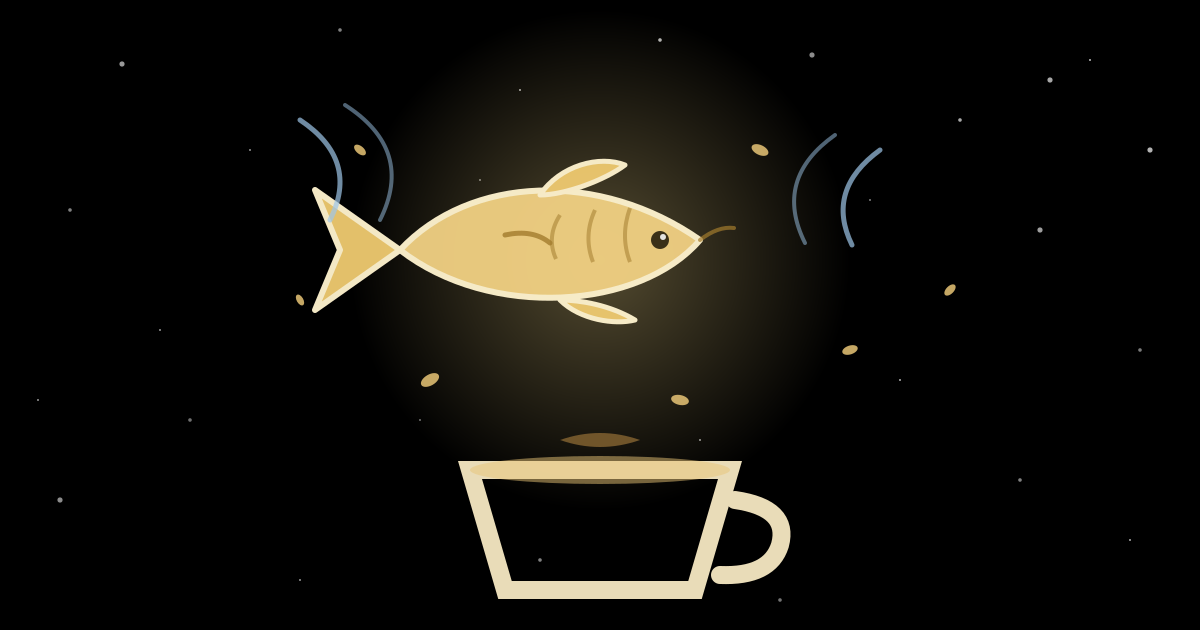
There is a reason the fish has been a symbol of plenty since long before anyone thought to read tea leaves. In Chinese tradition the fish means surplus and wealth — the word for fish sounds like the word for abundance. In Christian symbolism it means faith and spiritual nourishment; in Hindu and Buddhist lore it means freedom, fearlessness, and happiness moving through the waters of life. So when a fish shapes itself in the dregs of your cup — body, fins, tail, perhaps a curved sweep suggesting motion — you have found the cup's happiest creature: a promise that something is moving, growing, and heading your way.
This guide covers everything the fish can tell you: its core meaning, how the fish's size, direction, and company sharpen the message, how position reveals timing, the combinations that show exactly what kind of abundance is flowing in, and what to do once the leaves have shown you the current.
The Core Meaning: Abundance, Flow, Prosperity
At its simplest, a fish means good fortune is flowing toward you. Where the anchor promises steadiness and the tree promises slow growth, the fish promises movement in your favor — money arriving, opportunities surfacing, a situation that has been stuck finally drifting forward. Readers of the old tasseography texts describe the fish as the cup's most dynamic lucky symbol: it never sits still, and neither does the fortune it announces.
The second traditional meaning is abundance and prosperity in the broadest sense. The fish doesn't only mean money — it means plenty: ideas multiplying, creative projects breeding new projects, friendships and connections gathering around you. A fish in the cup often arrives when a lean season is ending, like the first catch after a long dry spell at sea. It traditionally means the well is filling again.
The third is flow and emotional ease — the fish lives in water, and in the cup's language water is the realm of feeling. A fish can mean your emotional life finding its current again: grief softening into memory, anxiety giving way to trust, the relief of finally going with something instead of fighting it. And because fish move beneath the surface, they also carry the old meaning of unseen knowledge — intuition, a message from the deep self, something true that you feel before you can explain it.
Reading the Fish's Details
The leaves never draw by accident, and the fish's form sharpens its message. A large, full fish is the strongest form: a significant opportunity, a substantial gain, a fortune worth noticing — the big catch. A small fish is the modest reading: a small windfall, a promising lead, the first sign of abundance — don't dismiss it, because small fish swim in schools and grow.
Direction is everything with the fish. A fish swimming toward the handle — toward you — traditionally means the fortune is coming to you: money arriving, an offer on its way, good news already in the water between here and its source. A fish swimming away from the handle means the opportunity lies at a distance: fortune connected to travel, to distant people, to a situation outside your immediate circle. It isn't bad news — it's the cup pointing your gaze outward, toward wider waters.
A leaping fish — shown mid-jump, arched — is the breakthrough reading: a sudden rise, the thing that takes off, the leap you've been considering finally happening. Readers treat it as the most exciting form: fortune with momentum. Multiple fish together — a school — mean sustained, multiplying abundance: several opportunities at once, income from more than one source, a season where good things keep arriving rather than a single lucky day. And an ornate or koi-like fish, drawn with detail or curves, traditionally means wealth arriving with beauty attached — the prosperous outcome that is also a joy: the dream project that pays well, the success that feels good to wear.
Look at the water around it. A fish among waves or ripple lines means abundance riding on emotion — a creative current, a feeling-led opportunity, fortune that comes through connection and warmth. A fish drawn deep in the cup's dark means the fortune has depth behind it — something built over time, a long-gestating project surfacing, old wisdom finally paying off. The cup's deep water is the past, and the fish rising from it traditionally means your earlier work finally coming up for air.
Position: Where It Swims and What It Says About Timing
As with every symbol, position shapes the fish's message. Near the rim, close to the handle: the fortune is personal and near — arriving in your own life, through your own efforts or connections, and soon. The fish at the rim is the cup's way of saying watch the next few days. Near the rim, far from the handle: abundance at a distance — good news from afar, fortune traveling to you through other people, the email or call that changes the week.
In the middle band: the fortune developing over the coming weeks to months — the opportunity still swimming toward you, the income stream still filling, the project still gathering its school. This is the "keep fishing" position: the current is real, and your job is to keep your line in the water rather than reel in too early. At the bottom of the cup: the deepest reading — foundational abundance: a long-term prosperity theme, deep emotional reserves, or a destiny-scale development in how you relate to wealth and security. The fish at the bottom speaks of the kind of fortune you build a life on, not a single windfall.
Direction and position combine into one more nuance readers watch for: a fish pointing upward in the cup traditionally means rising fortune — things improving, the trend line heading up. A fish pointing downward suggests the abundance is still gathering below the surface — not lost, just not visible yet. The deep-water fish is a promise, not a denial: the catch is there; it hasn't broken the surface.
Fish Combinations: Reading the Neighbors
Fish gain their finest detail from the symbols around them. Fish + sun: radiant good fortune — the cup's brightest pairing: prosperity arriving in the open, success everyone can see, the season going your way in every direction. Fish + coins or money bags: the literal wealth reading — money specifically: the raise, the paid invoice, the investment maturing, the side project turning profitable.
Fish + waves or water: emotional abundance — the fortune flowing through feeling: creative inspiration that pays, a relationship rich in warmth, the right opportunity arriving through the right people. Fish + anchor: secure prosperity — fortune that stays: the stable income, the lasting client, abundance with roots. This is the combination readers celebrate most, because the anchor holds the fish from swimming away. Fish + ring: a prosperous partnership — fortune through joining: the engagement with financial ease, the business partnership that enriches both sides, a commitment carrying abundance with it.
Fish + heart: love flowing — emotional riches: a relationship deepening into something abundant, or love arriving as the fortune itself. Fish + bird: news about abundance — the message carrying the money: the job offer email, the letter with the check, the phone call that opens the door. Fish + mountain: prosperity that requires patience — fortune that arrives by the long climb: the business built slowly, the career maturing into its reward. Not blocked — just earned over time, the way deep water fills.
The cautionary pairings deserve equal attention. Fish + clouds: murky water — the fortune is real but unclear: an opportunity with terms still foggy, a financial situation awaiting clarity. Don't dive into murky water — wait for it to clear. Fish + hook or sharp line: a catch that costs — watch the terms of the tempting offer: the deal with strings attached, the quick gain with a hidden price. The hook doesn't mean decline; it means read the fine print. Fish + snake: a warning about slippery dealing — someone near the opportunity may not be what they seem: verify claims, check references, trust but verify before committing.
The Fish in Different Questions
The fish adapts beautifully to whatever you asked. In a career question, it is among the most encouraging symbols: opportunities surfacing, the right offer swimming into view, your work catching the current of a larger trend. A leaping fish doubles this reading — the promotion, the breakthrough, the moment your effort goes visible. In a money question, the fish is the cup's direct answer to the question of plenty: income arriving, a financial current turning in your favor, savings beginning to school. Watch for the single-fish versus school distinction: one fish suggests a specific gain; a school suggests income diversifying into several streams.
In a love question, the fish means emotional abundance — affection flowing, a relationship with depth, or love arriving from unexpected waters. A fish swimming toward the handle is the romantic optimist's symbol: someone is coming toward you, interest is real, the current carries you together. In a family question, the fish traditionally means the circle's resources holding — provision, shared plenty, a generation helping the next. And in a well-being reading, the fish speaks of emotional flow restored — the return of ease, the softening of a long tension, the feeling of being carried rather than swimming upstream. This is reflection and encouragement, not diagnosis: the cup offers the image of buoyant water, and the wise response is to float a little more and thrash a little less.
When the Fish Looks Troubled
Sometimes the fish arrives in a worried form, and it's worth knowing the difference between "fortune in motion" and "fortune at risk." A hooked or netted fish is the clearest cautionary form — the opportunity tangled in conditions: the attractive offer with terms to examine, the gain that could cost more than it gives. The advice is practical rather than fearful: look at the hook before you admire the fish. A belly-up or dead fish traditionally means a wasted or neglected opportunity — the chance that dried up because it wasn't tended, or the well that ran low from overuse. The remedy is honesty: name what slipped, learn its lesson, and release it rather than fishing in empty water.
A fish out of water — drawn stranded, gasping — points to something in the wrong element: the talent misapplied, the project starved of what it needs, yourself trying to thrive in conditions that don't suit you. The reading asks a kind question: what water do you actually need? And tiny lone fry, scattered and directionless, suggest abundance not yet formed — potential without focus: many small beginnings, none tended. Pick one fry and raise it; scatter yourself across all of them and none grow.
And if you asked about fortune and found no fish at all, look for its quieter cousins: the anchor (steady fortune), the coins (direct gain), the sun (brightening conditions), or the cornucopia and harvest symbols (plenty arriving by another name). Sometimes the cup answers with the water rather than the fish — the sea itself, the rain, the rising tide — or suggests that this season is for casting nets, not hauling them in, and that the fish will be there when the current is right.
What to Do After Finding a Fish
A fish is an invitation to move with the current, not a guarantee of the catch — and the best response is the fisherman's one: be ready, be patient, and be where the water is. If the reading suggests abundance, keep your line in the water: follow up the lead, say yes to the introduction, finish the application, send the pitch. Fish fortune favors the active — the cup shows the current, but you have to swim it.
If the fish speaks of flow, do the surrendering work: stop fighting the situation that keeps drifting anyway, let the conversation go where it wants, trust the timing that keeps arranging itself. Water doesn't hurry and still reaches the sea. And if the fish arrived in a troubled form, do the honest work of examining the tangle: read the contract, check the reference, rest the overfished well, or admit the opportunity is gone and cast again elsewhere. The sea is large and the fish return — what matters is the fisherman, not any single catch.
Many readers mark a fish finding with a small ritual of flow: filling a bowl with water and setting it in sunlight as a living echo of abundance, donating something — money, time, food — to set the current of generosity moving outward (fish lore everywhere insists that giving attracts the catch), or simply writing down the one opportunity they'll pursue this week before it swims on. However you honor it, let the fish remind you of tasseography's most fluid truth: fortune, like water, goes to the ready and the open — and right now, the current is moving your way.
Frequently asked questions
What does a fish in tea leaves mean?
A fish is one of tasseography's luckiest symbols. It traditionally means abundance and good fortune flowing toward you — prosperity, opportunities multiplying, emotional ease, or new beginnings taking shape. Readers treat it as the cup's sign that something fruitful is moving in your direction.
Is a fish in tea leaves good luck?
Yes, the fish is widely considered one of the most fortunate symbols in the cup, linked to prosperity, abundance, and favorable currents. The one cautionary form is the hooked or dead fish, which suggests an opportunity that needs tending or one that may be slipping away — guidance to act, not a prediction of loss.
What does a fish near the handle mean in tea leaves?
The handle represents you, so a fish close to it means the abundance is personal and close at hand: an opportunity arriving in your own life, money flowing toward your own hands, emotional renewal happening within you. It traditionally suggests the fortune is already approaching rather than far off.
What does a fish swimming away mean in tea leaves?
A fish swimming away from the handle traditionally means the opportunity lies elsewhere — fortune connected to travel, distant people, or a situation outside your immediate circle. It is not bad news; it simply points your attention outward. Readers treat it as a sign to look beyond your usual waters.
What does a school of fish mean in tea leaves?
Multiple fish together mean sustained, multiplying abundance rather than a single lucky moment: several opportunities arriving at once, income from more than one source, or a season where good things keep coming. Readers treat the school as the cup's image of flowing, renewable prosperity — fortune that keeps moving.
Keep exploring

Tea Leaf Symbols Dictionary: 40+ Meanings from Anchor to Star
From anchor to star: explore 40+ classic tea leaf symbols and their traditional tasseography meanings, covering love, fortune, travel, caution and animals.
Read the meaning →
How to Read Tea Leaves: A Beginner's Step-by-Step Guide
Learn tea leaf reading step by step: choosing the right tea and cup, brewing with intention, swirling, inverting and interpreting the symbols left behind.
Read the meaning →
Tree Symbol in Tea Leaves: Growth, Roots & What It Means
Spot a tree in your tea leaves? Discover its tasseography meaning — growth, roots, and family strength — plus position timing, tree combinations, and what to do next.
Read the meaning →
Anchor Symbol in Tea Leaves: Stability, Hope & What It Means
Spotting an anchor in your tea leaves? Discover its tasseography meaning — stability, hope, and calmer waters ahead — plus position timing, key combinations, and what to do next.
Read the meaning →