
Horse Symbol in Tea Leaves: Strength, Travel & What It Means
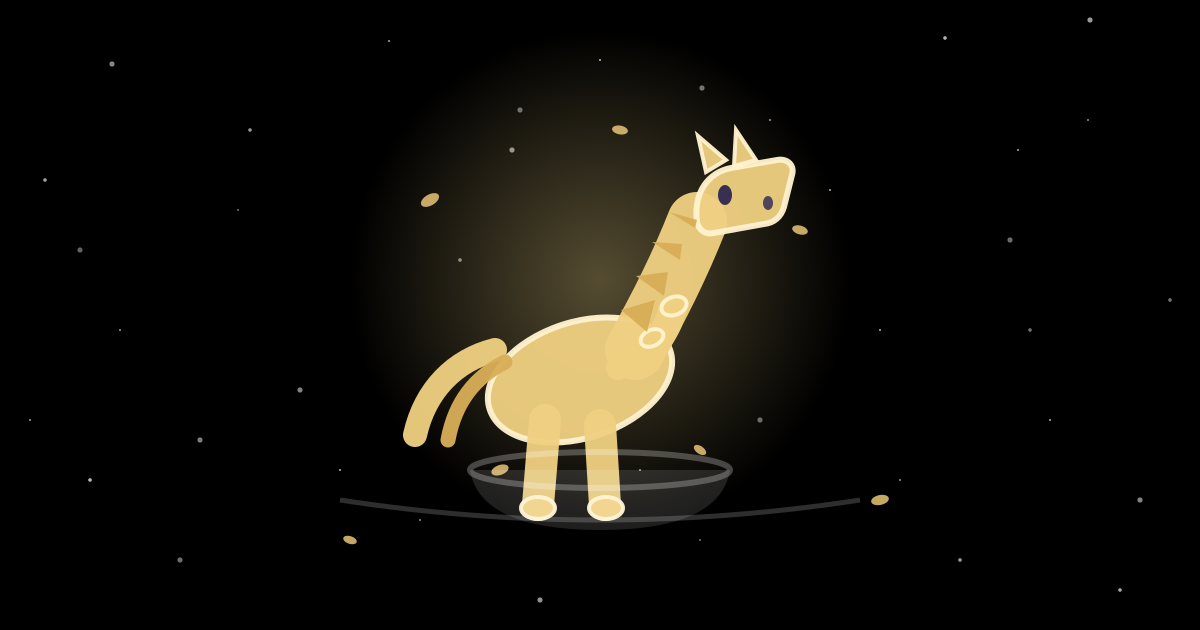
If the dog is the cup's most faithful visitor and the cat its most independent, the horse is its most alive one — pure motion, muscle, and forward will. No animal has carried human history quite like the horse: it pulled our plows, carried our messages, won our wars, and took us places our feet could never reach. That long partnership lives in the cup, and the classic tasseography texts read the horse as the symbol of strength in motion — travel, progress, freedom, and the power to get there. When the leaves settle into an arched neck and flowing mane at the bottom of your cup, the reading is about the road — the one ahead of you, the one behind you, and the stride you will need to walk it.
This guide covers everything the horse can tell you: its core meaning in tasseography, how the horse's posture and details refine the message, how position reveals timing, the combinations that show exactly where strength and movement matter most in your life, and what to do once the leaves have shown you their horse.
The Core Meaning: Strength, Travel, Freedom
At its simplest, a horse means you have the strength to move forward — and the moving is about to begin. Where the bird promises news and the anchor promises stability, the horse promises momentum — a journey starting, a goal gathering speed, a period of standing still giving way to a period of going. Readers of the classic tasseography texts describe the horse as the symbol of travel in its broadest sense: the literal trip, the career move, the life transition, the message on its way.
The second traditional meaning is freedom and independence. Horses run because they can, and the cup borrows that wildness as metaphor: the horse appears when something in your life is refusing to be fenced in — an ambition outgrowing its paddock, a spirit outgrowing its routine, a decision that will not wait any longer. A horse rearing in the cup is tasseography's quiet promise that liberation is not only possible — it is already underway.
The third is noble strength and endurance: the horse does not merely start the journey, it finishes it. Its appearance can mean the stamina to see something through — a long project, a demanding season, a goal that requires staying power rather than a sprint. And in the active sense, the horse is the symbol of good news arriving at speed: the classic texts often read the galloping horse as a message traveling fast toward the reader — the letter, the call, the opportunity already in motion. This is reflection and entertainment, not a guaranteed prediction: the cup offers the image of the animal that has always carried us forward, and suggests you borrow its stride.
Reading the Horse's Posture and Details
Horses speak in motion, and the leaves borrow the whole vocabulary. A galloping horse, legs extended is the classic form: speed, news, progress — things moving quickly in your favor. This is the cup's most encouraging horse: the message is coming, the journey is starting, the wheels are already turning. A rearing horse, forelegs raised is the spirited form — defiance of limits, excitement that will not sit still, independence declaring itself. Read the mood in the shape: a proud, controlled rear means confidence and liberation; a wild, flailing rear leans toward rebellion tipping into conflict.
A horse standing calm, head lowered to graze is the patient form: steady progress, strength at rest, a journey that unfolds at its own right pace. The grazing horse says there is no rush — the road will still be there tomorrow, and you will walk it better rested. A horse with a rider adds guidance to the motion: an ambition being steered, a journey with a clear hand on the reins, or help arriving to direct your energy. This is directed power — the difference between running and running toward.
Special forms carry their own weight. A riderless horse is energy without direction — great strength, no steering: the reading asks who is holding your reins right now, and whether the answer should be you. Two horses together traditionally mean partnership in motion — teamwork, a shared journey, two wills pulling in the same direction — or, facing apart, two paths diverging and a choice of roads. And a foal softens everything into beginnings: a new project in its early legs, a journey just conceived, strength that is still growing — handle it with patience and it will run far.
Position: Where It Sits and What It Says About Timing
As with every symbol, position shapes the horse's message. Near the rim, close to the handle: the message is personal and imminent — your own journey beginning, a trip you have been planning now taking shape, your own strength being called on. The horse is at your side of the cup, and the momentum is yours to claim. Near the rim, far from the handle: movement in someone else's life — a friend's journey, another person's news traveling fast, or an opportunity approaching through your wider circle.
In the middle band: the themes developing over the coming weeks to months — a goal gathering speed, plans for travel taking form, strength building steadily toward a demanding season. This is the "saddle up" position: the horse is telling you to prepare, because the ride is coming. At the bottom of the cup: the deepest reading — a foundational truth about movement in your life: a life's journey, a long-held dream of freedom, or the lesson that strength means nothing without direction. The horse at the bottom speaks of the road you have been on all along.
Direction matters too. A horse facing the handle runs toward you — its message is yours to receive: news arriving, opportunity approaching, strength coming to your aid. A horse facing away runs outward — a journey you will take, an opportunity moving past if you do not mount up, or energy leaving your life: the cup asks whether you should chase it or let it go. A horse moving toward the rim means the journey is beginning — the first hoofbeats, the departure imminent. A horse moving toward the bottom can mean a journey's end — arrival, homecoming, or a chapter of striving finally closing: the reading asks whether you are ready to rest the horse.
Horse Combinations: Reading the Neighbors
Horses gain their finest detail from the symbols around them. Horse + heart: the pursuit of love — a whirlwind romance, love pursued with courage, or affection that moves fast and means it. This is the cup's most romantic pairing: devotion at a gallop. Horse + star: a guided journey — the right direction, a lucky road, the trip or transition favored by the signs. Follow the star: the horse knows the way.
Horse + key: movement unlocking doors — a journey that opens an opportunity, or effort as the key to a situation that waiting could never open. Horse + bird: news at full gallop — a message arriving faster than expected, or word traveling through swift channels: keep your ears up. Horse + tree: the long journey — deep-rooted growth through sustained effort, a goal worth the distance, strength that compounds over time.
Horse + house: movement around the home — a move, a family member's journey, or the journey beginning at your own door: the home is not the stable here, it is the starting gate. Horse + moon: intuition guiding the journey — travel by feeling as much as by map, or a path that reveals itself step by step in the dark. Trust the night vision: the horse sees the road you cannot.
The cautionary pairings deserve equal attention. Horse + snake: a journey with a hidden risk — beware of being led astray, check the route before you ride, or a traveling companion who is not what they seem: tread carefully and keep your eyes open. A riderless horse at a gallop: haste without steering — speed is not the same as progress, and the reading asks whether you are running toward something or simply running. A horse facing away near the rim: the opportunity moving past — the ride is leaving, and the cup asks plainly: are you getting on?
The Horse in Different Questions
The horse adapts beautifully to whatever you asked. In a career question, it is the symbol of momentum and advancement: a promotion gathering speed, a new role on the horizon, work travel, or recognition that your stamina is your greatest professional asset. A horse with a rider doubles this — a mentor or manager steering you toward the right opportunity. In a love question, the horse asks about the pace of the heart — a romance moving quickly, the courage to pursue what you want, or the nudge that a relationship needs more freedom to run: love, like horses, does not thrive in a small paddock.
In a finance question, the horse counsels steady effort over the long road — work that compounds, stamina that pays, the slow build rather than the sprint. Watch for the companions: horse with tree suggests growth through sustained effort; a riderless gallop warns against haste in money matters. This is symbolic reflection, not financial advice: the cup offers the image, not the investment strategy. In a family question, the horse is the journey of the household — a family member setting out, a move on the horizon, or your own role as the one who carries the family forward.
In a well-being reading, the horse speaks of energy and vitality — the healing power of movement, the strength of a body in motion, the freedom of breath and stride. It also points to stamina as a practice: the routines that carry you the way a good horse carries its rider — steady, rhythmic, built over time. This is reflection and encouragement, not diagnosis or medical guidance: the cup offers the image of the animal that never stops moving forward, and suggests you borrow its example.
When the Horse Looks Troubled
Sometimes the horse arrives in a worried form, and it's worth knowing the difference between "strength in motion" and "motion without sense." A horse galloping too hard, legs blurred is the commonest troubled form — burnout pace: the reading asks whether you are running toward something or simply unable to stop. The remedy is the horse's own: even the fastest horse must be walked cool.
A horse rearing wildly, hooves flailing means rebellion tipping into conflict — defiance that has stopped listening, a fight with authority or circumstance that is costing more than it wins. The cup asks what you are really refusing, and whether the fence is the problem or the kicking is. A riderless horse suggests great energy with no direction — strength, speed, and nobody steering: the reading asks who is holding your reins, and whether the answer should be you.
A tired or limping horse is the cup's gentlest warning — exhaustion, a journey that has asked too much, strength running on empty. Rest it: the horse that is walked cool today gallops tomorrow. And if you asked for guidance and found no horse at all, look for its traveling cousins: the bird (news in motion), the star (the right direction), the key (the door about to open), or the tree (the long road). Sometimes the cup answers with the journey rather than the animal — or suggests that this season is for standing still, and the horse will find you when the road is ready.
What to Do After Finding a Horse
A horse is a direction, not a destination — and the best response is the rider's one: take the reins, pick a heading, and start moving. If the reading suggests a journey, take one concrete step today: book the ticket, send the message, open the map, write the first paragraph. Horses respect motion; standing still was never their language.
If the horse speaks of strength, do the endurance work: tend the thing that requires staying power — the project, the training, the long goal — with the horse's unhurried rhythm. Strength is not a single gallop; it is the trot you can hold all day. And if the horse arrived in a troubled form — riderless, exhausted, rearing wild — do the honest work of the good rider: slow down, pick up the reins, rest the animal, and point it somewhere worth going.
Many readers mark a horse finding with a small ritual of motion: a walk taken with intention, a route planned on an actual map, or simply standing up and moving — letting the body remember what the cup is saying. However you honor it, let the horse remind you of tasseography's most spirited truth: the road does not come to you, and the ones who arrive are the ones who started moving.
Frequently asked questions
What does a horse in tea leaves mean?
A horse in tea leaves traditionally means strength, travel, and freedom. It is the cup's symbol of forward movement — the journey beginning, the goal within reach, the energy to carry you there. A galloping horse is one of tasseography's most encouraging signs: momentum is on your side, and the road ahead is opening.
Is a horse in tea leaves good luck?
Yes — the horse is one of the most positive symbols in tea leaf reading. It traditionally signals good news arriving, successful travel, progress through effort, and the freedom to choose your own direction. Only a riderless, exhausted, or wildly rearing horse turns the reading cautionary, pointing to haste, burnout, or energy without direction.
What does a galloping horse mean in tea leaves?
A galloping horse is tasseography's fastest messenger. It traditionally means news arriving quickly, swift progress on a goal, or a journey — literal or figurative — about to begin. The gallop says: things are about to move, so be ready to move with them.
What does a horse near the handle mean in tea leaves?
The handle represents you, so a horse near it is personal. It traditionally means your own journey is beginning — a trip you have been planning, a goal gathering speed, or your own strength being called on. The horse at your side of the cup says the momentum is yours to claim.
What does a rearing horse mean in tea leaves?
A rearing horse traditionally means refusal to be held back — spirited independence, defiance of limits, or excitement that will not sit still. Read the mood: a proud, controlled rear is confidence and liberation; a wild, flailing rear warns of rebellion tipping into conflict. Either way, the horse will not be fenced in.
Keep exploring
Tea Leaf Symbols Dictionary: 40+ Meanings from Anchor to Star
From anchor to star: explore 40+ classic tea leaf symbols and their traditional tasseography meanings, covering love, fortune, travel, caution and animals.
Read the meaning →
How to Read Tea Leaves: A Beginner's Step-by-Step Guide
Learn tea leaf reading step by step: choosing the right tea and cup, brewing with intention, swirling, inverting and interpreting the symbols left behind.
Read the meaning →
Cat Symbol in Tea Leaves: Independence, Intuition & What It Means
Spot a cat in your tea leaves? Discover its tasseography meaning — independence, intuition, and quiet mystery — plus posture details, position timing, cat combinations, and what to do next.
Read the meaning →
Heart Symbol in Tea Leaves: Love, Timing & What It Really Means
Seeing a heart in your tea leaves? Discover its tasseography meaning for love, how cup position reveals timing, key symbol combinations and what to do next.
Read the meaning →