
Ring Symbol in Tea Leaves: Commitment, Marriage & What It Really Means
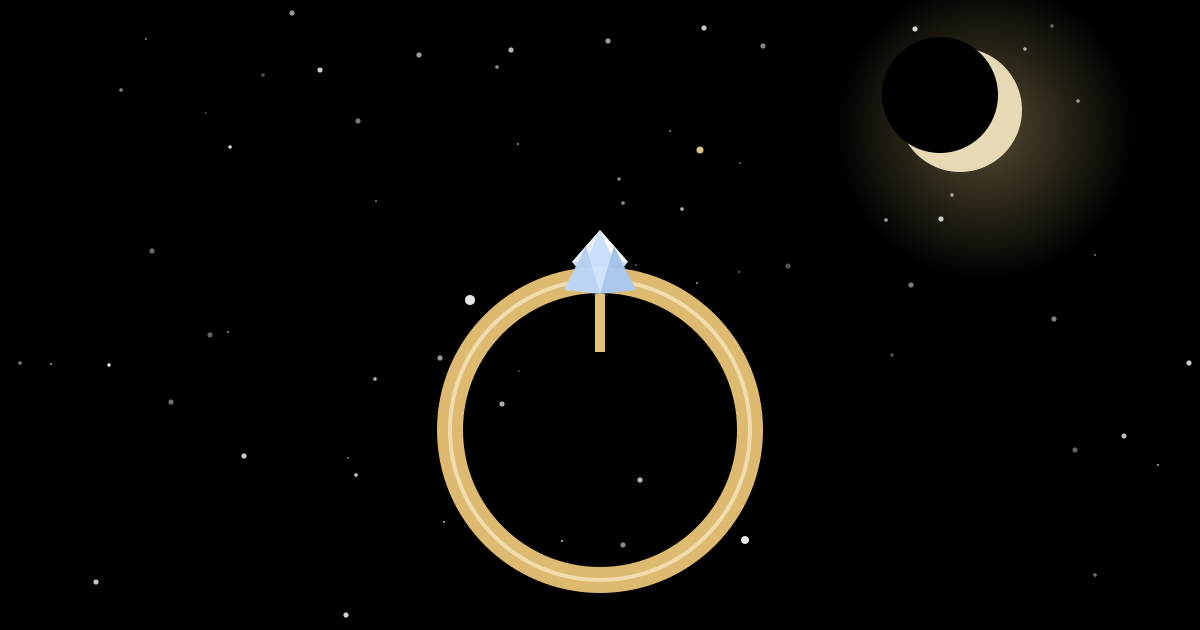
Few symbols in tea leaf reading make the heart skip like a ring. A perfect little circle in the leaves — unbroken, deliberate-looking — and instantly the imagination runs to proposals and promises. In tasseography, the ring is indeed one of the most auspicious symbols you can find, but its meaning runs deeper than romance. A circle has no beginning and no end, and that geometry is the whole message: commitment, continuity, cycles that complete, promises that hold.
This guide unpacks the ring's full meaning: how its position reveals timing, how a whole ring differs from a broken one, which neighbor symbols write the fine print, and how to act on the promise the cup is showing you.
The Core Meaning: The Geometry of Commitment
At its simplest, a ring means something is coming full circle. In a romance reading, that usually reads as commitment — a relationship formalizing, a bond deepening into promise. But the ring is not romance-only. In a career reading, a ring can mark a deal closing, a contract signing, a project reaching its natural completion. In a family reading, it can mean reconciliation — the circle of old tension finally closing. In a self-reflection reading, a ring often points to integration: a part of yourself you have been carrying finally accepted and folded back in.
A clear, unbroken ring is read as strong and reliable — a commitment with solid foundations. A faint or partial ring suggests something forming but not yet firm: an intention rather than a promise, a proposal still being rehearsed. Size adds emphasis: a large ring dominates the reading and marks commitment as the theme of this season; a small ring is a grace note — a promise kept quietly in the background, a loyalty you may not have noticed.
Position: When and How Close
Where the ring appears in the cup is the timing key. Near the rim, close to the handle: the promise is near — days to weeks. Something is about to be formalized or completed with someone close to you. Near the rim, far from the handle: commitment arriving from an unexpected direction — an offer, a proposal, or a reconnection you didn't see coming. In the middle band: commitment developing over the coming months; the groundwork is being laid now. At the bottom of the cup: deep, long-cycle themes — a lifelong bond, a years-long project completing, or a karmic pattern finally closing.
Also note how the ring sits: a ring enclosing another symbol (a heart inside a ring, a star inside a ring) means the commitment wraps around that theme — love protected, hope secured. A ring near the handle means the promise involves you directly; far from the handle can mean a commitment happening around you that still affects your life.
The Broken Ring: When the Circle Isn't Closed
A ring with a gap, a crack, or an open section is traditionally read very differently from a whole ring. It speaks of interrupted commitment or unkept promises — a deal that fell through, an agreement that keeps slipping, a relationship where follow-through is leaking out. This is one of tasseography's clearer warning symbols, but it is advice, not doom: it asks you to look honestly at where reliability is failing.
Context matters enormously. A broken ring beside healing symbols (dove, sun, flowers) suggests a commitment that can be repaired — the gap is a warning, not a verdict. A broken ring beside a dagger or snake points to a promise that should perhaps be released rather than repaired; sometimes the circle staying open is the right outcome. And a ring that looks like it could close — a small gap, a faint bridge of leaves — is often read as a commitment that needs one more act of effort from someone to complete.
Ring Combinations: Reading the Neighbors
Rings rarely appear alone, and their neighbors write the fine print. Ring + heart: the classic union pairing — love formalizing into commitment, the combination many readers call the engagement symbol. Ring + star: a hopeful promise — good fortune attached to the commitment ahead. Two interlocking rings: partnership, mutual commitment — both parties all in. Ring + anchor: a steady, long-lasting commitment — the reliable kind that holds through weather. Ring + key: unlocking commitment — barriers to the promise finally opening.
Ring + snake: the cautionary pairing — look carefully before committing; something about the promise may not be what it seems. Ring + dagger: a commitment that ends or must be cut — painful but clarifying. Ring + clouds: a promise wrapped in confusion — don't commit while the facts are unclear. Ring + bird: news about a commitment — a proposal, an offer letter, or word that something long-awaited is finalizing.
The Ring in Different Questions
Context is everything. In a romance question, the ring is wonderfully direct: commitment energy is active, and position tells you the timing. In a career question, a ring means closure and formalization — contracts, completions, deals sealed; it is one of the best signs in a business reading. In a family question, it speaks of bonds reaffirmed — reconciliation, loyalty, the circle of the family holding. In a money question, a whole ring often means a cycle of effort paying off — debt closing, an investment maturing.
In a self-reflection reading, the ring can be quietly profound: a promise to yourself. Readers often interpret it as the cup reflecting a commitment you are being asked to make — to your health, your craft, your own worth — and the clarity of the ring suggests you are ready to keep it.
When No Ring Appears
Asked about commitment and found no ring? The cup may be answering a different layer. Look for commitment's quieter emissaries: anchors (steady loyalty), chains (bonds forming), flowers (courtship and admiration), or two birds (partnership). Sometimes the absence of a ring is the message itself: this season is about building toward commitment — foundations, trust, clarity — rather than formalizing it. And occasionally the cup simply declines the question; a murky reading on commitment traditionally means the situation is still unfolding and the circle hasn't found its shape yet. Commitment, like tea, can't be rushed.
What to Do After Finding a Ring
A ring in the leaves is an invitation to meet commitment halfway — and the response depends on which kind of promise the cup is showing. If it points to a relationship deepening, make room: have the honest conversation, accept the invitation, show up with intention. If it marks a project or deal completing, push it over the line: send the follow-up, sign the paper, do the last 10 percent that closes the circle. If it reflects a promise to yourself, honor it deliberately: start the habit, keep the appointment, treat the commitment as real because the cup already does.
Many readers mark a ring finding with a small ritual: writing the promise down, lighting a candle, or pulling a tarot card for elaboration (the Ten of Pentacles and the Two of Cups are natural companions). However you honor it, let the ring remind you of tasseography's deepest truth: the leaves don't create commitments — they reflect the promises already moving through your life, and invite you to close the circle.
Frequently asked questions
What does a ring in tea leaves mean?
A ring is one of tasseography's most auspicious symbols, meaning commitment, completed cycles, and promises kept. It often points to relationships deepening, but it can also mark a deal closing, a cycle of effort completing, or loyalty rewarded.
Does a ring in tea leaves mean marriage?
It can — a clear ring in a romance reading near the rim often predicts engagement or marriage. But it never guarantees it. The cup signals commitment energy, not a wedding date; context from your original question determines how literally to take it.
What does a broken or open ring mean in tea leaves?
A ring with a gap or break traditionally signals a broken promise, an interrupted commitment, or a cycle that refuses to close. It's advice to examine where loyalty or follow-through is leaking — not a fixed prediction of betrayal.
What does a ring next to a heart mean in tea leaves?
Ring plus heart is the classic union pairing in tasseography — love moving toward commitment. Many readers call it the engagement combination: affection (heart) formalized into promise (ring).
How long until the ring's promise comes true?
Position is the timing key: near the rim by the handle suggests weeks; the middle band suggests months; the bottom of the cup suggests longer cycles or slow-building commitments. A ring never comes with an exact date — treat it as a direction, not a calendar.
Keep exploring

Tea Leaf Symbols Dictionary: 40+ Meanings from Anchor to Star
From anchor to star: explore 40+ classic tea leaf symbols and their traditional tasseography meanings, covering love, fortune, travel, caution and animals.
Read the meaning →
Heart Symbol in Tea Leaves: Love, Timing & What It Really Means
Seeing a heart in your tea leaves? Discover its tasseography meaning for love, how cup position reveals timing, key symbol combinations and what to do next.
Read the meaning →
How to Read Tea Leaves: A Beginner's Step-by-Step Guide
Learn tea leaf reading step by step: choosing the right tea and cup, brewing with intention, swirling, inverting and interpreting the symbols left behind.
Read the meaning →
How to Interpret Your Dreams: A Beginner's Guide
Learn how to interpret your dreams with this beginner-friendly guide: dream journaling, decoding symbols, and a simple 5-step method that works.
Read the meaning →